.png)
How Much Does a Moving Service Cost?
.png)
Figuring out how much a moving service costs feels like trying to pin down the weather. It changes based on what you’re moving, how far you’re going and what kind of help you need. Packing up your life is one thing. Budgeting for it is another. The good news is you can break the cost down into clear pieces. Once you know the factors that matter most, the total becomes more predictable. Planning ahead lets you avoid surprise bills and stress, so you can focus on the excitement of a fresh start.
Understanding the Moving Service Cost
There isn’t one single price tag for moving. The cost swings widely because every move is different. What you pay depends on a handful of big factors:
- How far you’re moving
- How much stuff you’re taking
- Whether you want extra help
- When you choose to move
- Each of those affects the final bill.
Distance: How Far Are You Moving?
Distance is the biggest driver of cost when it comes to moving services. Short trips across town are usually cheaper. Long hauls out of state or across the country add up because fuel, travel time, and logistics all climb.
Local moves often charge by the hour. Movers arrive, start work, and count the time until everything is unloaded. For long‑distance moves, companies usually switch to a weight‑and‑distance price. The farther you go, the more it costs. That’s because fuel, tolls, and driver time all increase with miles.
Size of the Move: More Stuff Means More Cost
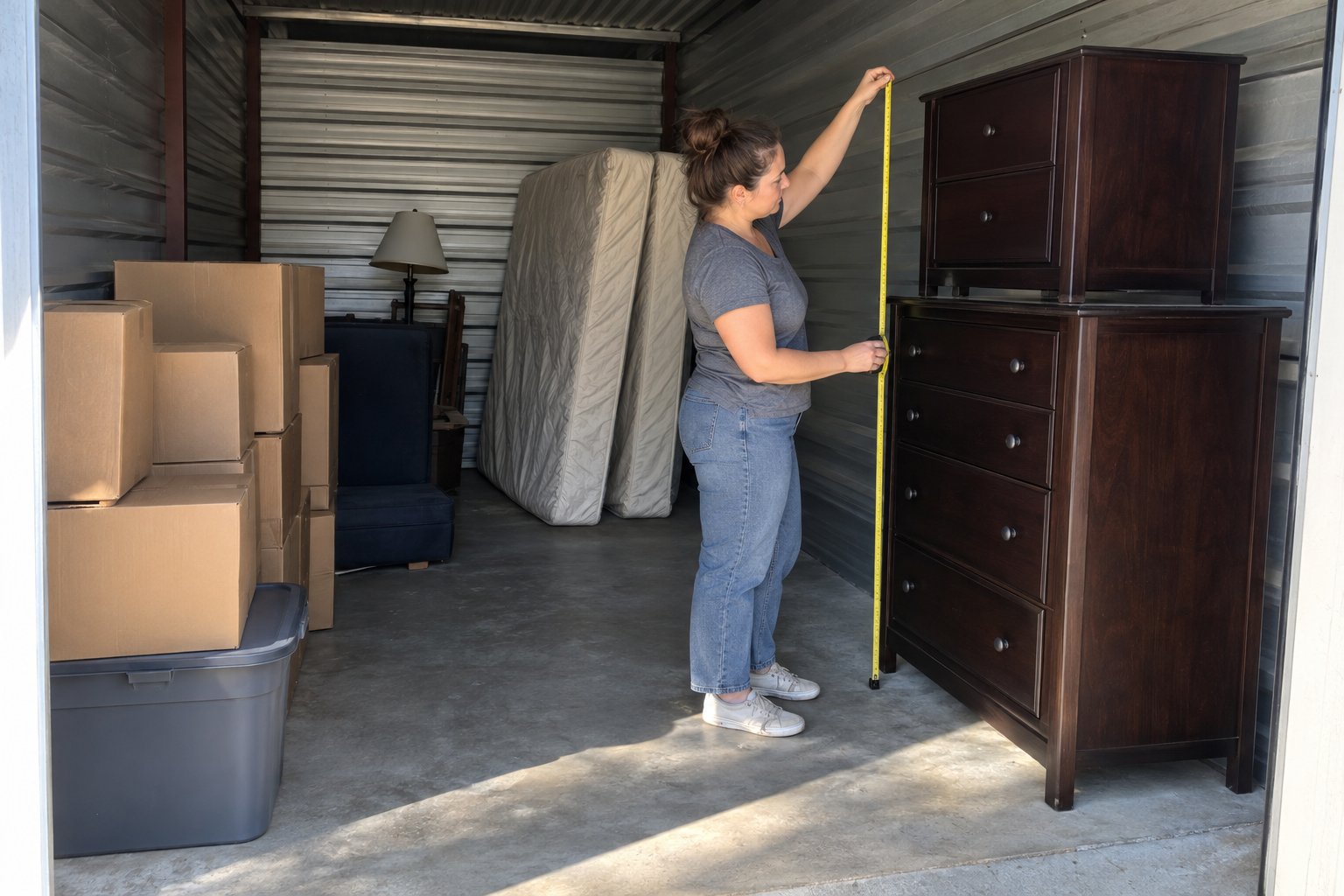
How much you’re moving affects price heavily. A tiny apartment can often be wrapped up quickly. But a three‑bedroom house full of furniture takes time, hands, and space. The more items you have, the more labor and truck space you need.
Movers often look at the volume and weight of your shipment to set a price. Bigger loads take up more room and require more muscle. If you’ve got heavy furniture, lots of boxes, or a piano, this will push the cost up.
Extra Services You Might Need
Moving isn’t always just loading and unloading. You might want help with:
- Packing
- Unpacking
- Furniture disassembly and reassembly
- Temporary storage
- Special handling for fragile or valuable items
Each of these adds to the total cost. Packing services, for example, mean movers wrap and box your things for you. That’s usually an extra line on the bill. Storage before, during, or after your move costs extra too, but it can ease timing issues when you aren’t ready to unload on arrival.
Timing: When You’re Moving Matters
The calendar plays a real role in moving costs. Most people move in late spring and summer. Around school breaks and warm months, demand spikes and prices go up. That means movers charge more and availability drops.
If you can shift your move to a fall or winter month, you might snag better pricing. Mid‑week and mid‑month dates also tend to cost less than weekends or month‑end peaks.
How Movers Actually Charge You
Movers usually calculate cost one of two ways, depending on the type of move:
For local moves, companies often charge by the hour. They add up all the hours from loading to unloading, then multiply by the hourly rate.
For long‑distance moves, pricing usually depends on distance plus weight or volume. Movers estimate how heavy your load is, how many miles it travels, and any extra services you pick.
Some companies offer a flat rate instead. That gives you one total number before the move, which can make planning easier. Just make sure you understand what’s included so you don’t end up paying extra for services you assumed were covered.
Average Cost Ranges (General Guide, Not a Quote)
Moving costs vary widely, so think of these ranges as broad guides rather than specific prices:
- Small local moves (studio or one‑bedroom): lower rates, often hourly.
- Large local moves (multi‑bedroom homes): more hours and more help.
- Long‑distance moves: prices generally include weight and miles, and can climb steeply with distance and volume.
- Packing or storage add extra.
These aren’t exact numbers. But they show you why every move needs its own estimate. A good moving company will walk you through these details when they give you a quote.
Conclusion
So, how much does a moving service cost? It truly depends on a few big things, like:
- How far you’re going,
- How much you’re moving,
- What additional services you need,
- When you choose to make the move.
Knowing these ahead of time gives you power over your budget. You won’t be surprised when the final bill comes. A thoughtful plan and smart timing make a big difference. To get your best price, ask for a detailed quote that matches your situation. That way you can plan with confidence and begin your next chapter without stress. Cullen Moving & Storage is here to cater to your needs. Feel free to contact us.