.png)
How to Move Plants and Keep Them Thriving During Your Relocation

Relocating your household requires managing many moving parts, but your botanical collection presents a unique set of challenges because living organisms are sensitive to environment changes. When you are learning how to move plants with premium New Jersey moving services, you must prioritize their hydration, temperature stability, and physical security to ensure they survive the journey. Preparation is the key to a successful botanical transition.
Secure your delicate botanical collection by calling 1 (215) 327-9733 to discuss our climate controlled transport options for your greenery.
The primary difficulty lies in the fact that greenery does not travel as well as inanimate furniture or boxed kitchenware. You must understand the specific needs of each species in your home to prevent shock or physical damage during the heavy lifting and transport phases. Mastery of this process ensures your new home feels like an oasis.
Assessing Your Botanical Collection
The first stage of how to move plants involves a thorough audit of every pot and planter in your current residence. Not all greenery is suited for a long-distance moving journey, especially if the specimen is already struggling with health issues or pests. You should decide which items are worth the effort of professional transport.
Consider the size and weight of each container, particularly those that may exceed 590 pounds when filled with wet soil and large root systems. Very heavy planters might require specialized equipment or may need to be repotted into lighter plastic containers for the duration of the trip. This assessment saves time on moving day.
Preparing Soil and Moisture Levels
Hydration is a critical component of how to take care of your greenery during a transition. When figuring out how to move plants, you should water them thoroughly two days before the scheduled departure. This ensures the roots are hydrated but the soil is not sopping wet, which adds unnecessary weight.
Damp soil is also less likely to crumble and spill during the vibration of a moving truck. If you are moving during a hot summer month, you might need to add a layer of moist mulch to the top of the soil to retain as much moisture as possible. Consistency in moisture levels prevents wilting.
Pruning for Safety and Transport
Large, sprawling branches are susceptible to breaking when moved through tight hallways or loaded into a crowded vehicle. A vital part of how to move plants includes pruning back any excessive growth a few weeks before the move. This makes the plant more compact and easier to handle for the crew.
Focus on removing dead leaves or overgrown stems that might catch on doorways. By reducing the overall foliage, you also help the plant conserve energy during a time of high stress. Just be careful not to over prune, as the plant needs its healthy leaves to recover once it reaches the new destination.
Choosing the Right Packing Materials
To protect the physical structure of your greenery, you need more than just standard cardboard boxes. When researching how to move plants, look for tall, sturdy boxes that allow for plenty of vertical clearance. You should also gather plenty of bubble wrap for the pots and soft paper for the leaves.
Line the bottom of your boxes with plastic to prevent any moisture from weakening the cardboard during the trip. Use crumpled paper to fill in the gaps around the base of the pot so it does not shift when the truck turns. Proper packing materials act as a shock absorber for your delicate botanical items.
Managing State Regulations and Laws
If your relocation involves crossing state lines, you must be aware of agricultural regulations that govern how to move plants across borders. Many states have strict laws to prevent the spread of invasive species or pests that could devastate local ecosystems. Some states may require a formal inspection certificate.
Check with the Department of Agriculture in your destination state to see if any of your specific species are prohibited. Citrus trees and certain succulents are often subject to the tightest restrictions. Ignoring these rules could result in your plants being confiscated or fined at the state border during your transition.
Techniques for Secure Packing
- Pot Protection: Wrap ceramic or terracotta pots in bubble wrap to prevent cracking from impact.
- Leaf Security: For tall plants, loosely wrap the foliage in a breathable sheet or paper cone to prevent snapping.
- Box Ventilation: Punch small holes in the sides of your moving boxes to allow for essential air circulation.
- Top Dressing: Tape a piece of cardboard over the soil around the base of the stem to keep dirt inside.
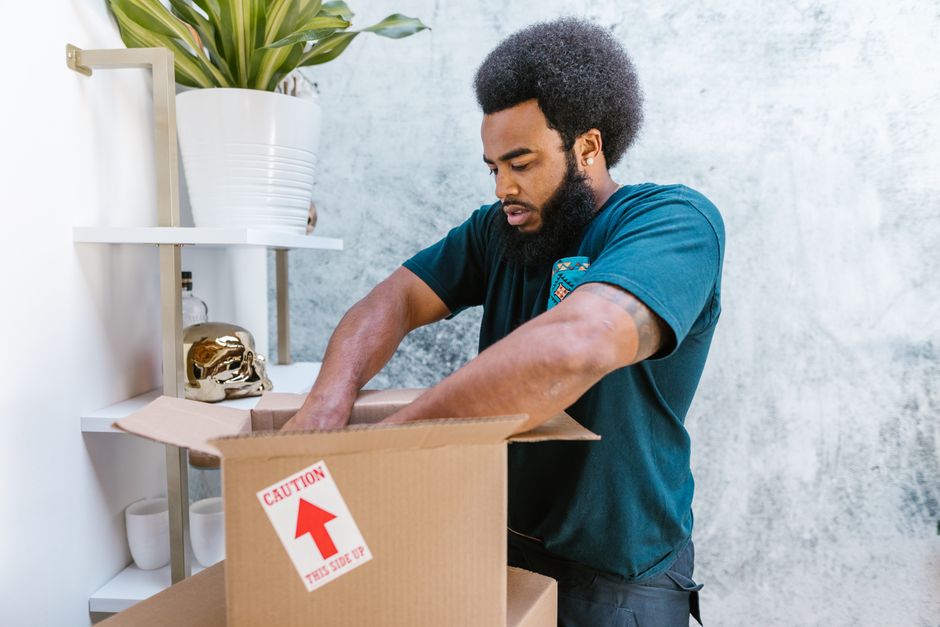
- Labeling: Mark every box clearly as "Living Plant" and "This Side Up" to guide the movers.
- Grouping: Place smaller pots together in a single large box to create a more stable base during transport.
Handling Temperature Fluctuations
Extreme heat or cold can kill a healthy specimen in a matter of hours. A major challenge in how to move plants is maintaining a stable temperature inside the transport vehicle. Standard moving trucks are not usually climate controlled, which can lead to overheating in the summer or freezing in the winter.
If you are moving during extreme weather, it is often best to transport your most sensitive greenery in your personal vehicle where you can control the air conditioning. If that is not an option, ensure the plants are the last items loaded and the first ones unloaded to minimize their time in the truck environment.
Loading Strategies for Botanical Items
When the moving crew arrives, you must communicate the specific needs of your botanical collection. The most effective way for how to move plants is to ensure they are placed in a location where they will not be crushed by shifting furniture. They should never be placed underneath heavy boxes or appliances.
Ideally, plants should be secured in a corner of the truck using tie down straps to prevent the boxes from sliding. If possible, leave a small gap between the plant boxes and the walls of the truck to provide a buffer against outdoor temperatures. Proper placement reduces the risk of physical trauma to the fronds.
Unpacking and Initial Care Post Move
The moment you arrive at your new home, your plants should be your top priority for unloading. Part of knowing how to move plants effectively is understanding that the recovery process begins immediately. Remove them from their boxes as soon as possible to allow them to breathe and receive light.
Do not be alarmed if you see some minor leaf drop or yellowing; this is a common sign of transplant shock. Place them in a spot with indirect light and avoid fertilizing them for at least a month. Give them time to acclimate to the new humidity and light levels of your home.
Dealing with Outdoor and Potted Trees
Large outdoor specimens and heavy potted trees require a different set of skills. If you are asking how to move plants that are exceptionally large, the answer often involves professional rigging. These items can be incredibly top heavy and difficult to balance on a standard dolly without specialized training.
For trees in the ground, you must begin the root pruning process months in advance to prepare them for being dug up. This is a complex horticultural task that is often best left to experts. For potted trees, ensure the container is structurally sound enough to handle the pressure of being tilted and moved.
Why Professional Movers Make a Difference
While a DIY approach is possible for a few small pots, a large collection benefits from professional intervention. When you hire experts who know how to move plants, you are investing in specialized equipment and experience. Professionals know how to stack and secure greenery to maximize safety and minimize the risk of damage.
Using a full service moving company like Cullen Moving & Storage allows you to focus on the human side of the move while we handle the logistics. If you have older planters, dead garden structures, or yard debris you want to leave behind, our team can also assist with comprehensive junk removal services. Our team understands the value of your botanical legacy and treats each leaf with care. Professional handling is the best insurance policy for your indoor garden during a move.
Creating a Recovery Schedule
Once the move is over, create a specific calendar for your plant care to help them stabilize. This final stage of how to move plants involves monitoring their water intake more closely than usual. You may need to mist the leaves more frequently if the new house has lower humidity than your previous residence.
Avoid repotting your plants immediately after a move, as their root systems are already stressed. Wait at least six months before making any major changes to their environment or container. Consistency and patience will eventually lead to new growth and a thriving indoor landscape in your new residential space.
Protect Your Precious Greenery with Professional Plant Transport
Cullen Moving & Storage offers a long heritage of relocation excellence through our premium residential transport, expert packing, and climate controlled storage services. We distinguish ourselves by treating every living specimen with the precision of a family heirloom. Our dedicated crew ensures your home garden reaches its new destination.
Contact: Chris@cullenmoving.com | 1 (215) 327-9733