.png)
What is Intermodal Transportation: Benefits for Modern Shipping
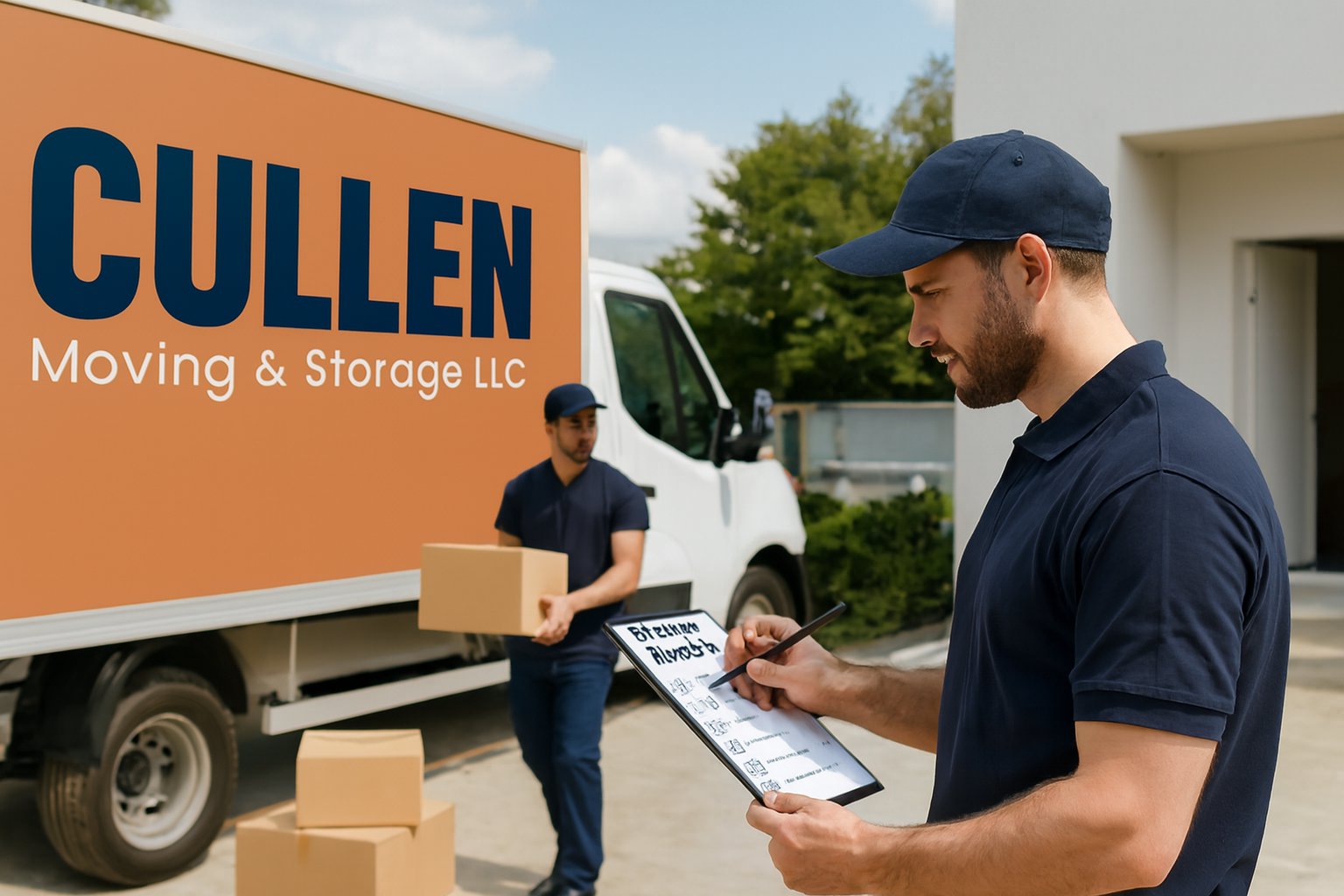
In the world of global logistics and large scale household relocations, efficiency is the most important factor for success. Many people beginning a long distance move often ask, what is intermodal transportation, when they see different types of containers being used for their goods. Essentially, it involves moving freight using multiple modes of transport without handling the cargo itself.
Speak with our logistics coordinators at 1 (215) 327-9733 to arrange a high efficiency intermodal shipping strategy for your upcoming relocation.
This method utilizes standardized containers that can easily transition from a truck to a train and eventually to a cargo ship. By keeping the contents sealed within the same unit, the risk of damage or loss during the transfer process is significantly reduced. It represents a sophisticated approach to moving heavy loads across vast geographic distances.
The Core Concept of Intermodal Logistics
To truly grasp what is intermodal transportation, one must look at the standardized shipping container as the hero of the story. These large metal boxes are designed to be moved seamlessly between different vehicles. This means your belongings are loaded once at your origin and unloaded only when they reach the final destination.
By eliminating the need to move individual boxes from a truck to a railcar, the process saves a massive amount of time and labor. This efficiency is why the method has become a staple for international trade and domestic long haul shipping. It provides a reliable framework for moving almost anything across the globe safely.
Historical Evolution of Containerized Freight
The history of what is intermodal transportation dates back to the mid twentieth century when standardized containers were first introduced. Before this innovation, loading a ship was a slow and manual process that took days or even weeks. The introduction of the steel container revolutionized how the entire world conducts business and transport.
Over the decades, the infrastructure surrounding this method has grown to include specialized cranes, massive rail hubs, and deep water ports. These advancements have made it possible to move more goods faster than ever before. Today, it remains the backbone of the global supply chain, supporting both commercial and residential shipping needs.
How the Process Functions Step by Step
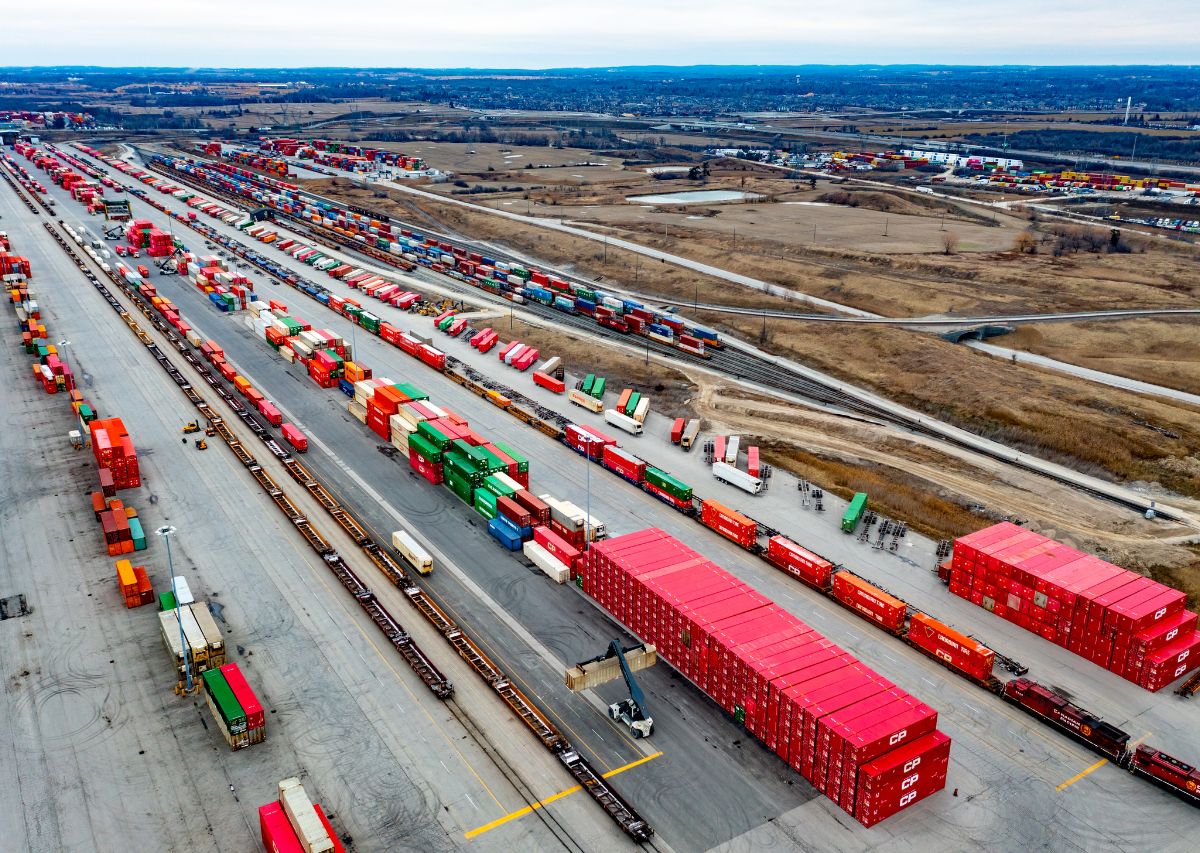
The journey typically begins with a truck arriving at a residence or warehouse to pick up a loaded container. This initial leg is often called drayage, and it involves a short trip to a nearby rail yard. The container is then lifted onto a flatcar specifically designed for high speed rail travel.
Once the train reaches the destination region, another crane lifts the container back onto a truck chassis for the final delivery. This combination of rail and road allows for the strengths of both modes to be utilized. Rail is excellent for long distances, while trucks provide the necessary flexibility for local navigation.
Environmental and Economic Advantages
When evaluating what is intermodal transportation, the environmental benefits are often a major selling point for modern consumers. Trains are significantly more fuel efficient than trucks when moving large volumes of freight over long distances. This reduction in fuel consumption leads to a much smaller carbon footprint for your move.
From an economic perspective, this method often provides lower costs for long haul shipments. Since rail transport is less expensive per mile than trucking, the savings can be passed down to the customer. It allows for a more predictable pricing structure that is less affected by fluctuating fuel prices on the highway.
Enhanced Safety and Security Features
Security is a primary concern for anyone moving their entire life across the country. Because the container remains locked and sealed from start to finish, the opportunities for theft or tampering are virtually eliminated. This "closed loop" system is a major reason why many prefer this logistics model over others.
The structural integrity of the steel containers also provides superior protection against the elements and accidental impacts. Whether on a train or a truck, your goods are shielded from rain, wind, and debris. This durability is essential for ensuring that fragile household items arrive in the same condition they left.
Comparing Intermodal and Multimodal Methods
While they sound similar, there is a distinct difference between what is intermodal transportation and multimodal shipping. Intermodal involves separate contracts for each leg of the journey, often with different carriers. This gives the shipper more control over the specific routes and providers used for their freight.
Multimodal shipping typically involves a single contract with one provider who manages all the different legs of the move. Understanding these nuances helps you choose the level of involvement you want in your logistics. Both methods utilize multiple modes of transport, but the administrative structure of the move is the key differentiator.
The Role of Technology in Modern Tracking
Advanced tracking technology has transformed what is intermodal transportation into a highly transparent process for the end user. GPS sensors attached to containers provide real time updates on the location and status of your shipment. You can often see exactly where your belongings are as they move across the country.
This data allows logistics managers to anticipate delays caused by weather or rail traffic and make necessary adjustments. Having access to this information provides a level of peace of mind that was previously impossible. It ensures that the coordination between trucks and trains happens with perfect timing and accuracy.
Key Components of Intermodal Infrastructure
- Standardized Containers: These are the twenty or forty foot boxes that hold the cargo securely.
- Chassis: Specialized trailers used by trucks to carry the containers over the road.
- Intermodal Ramps: Large facilities where containers are transferred between trucks and trains.
- Gantry Cranes: Massive machines that lift containers with incredible precision and speed.
- Reach Stackers: Versatile vehicles used to move and stack containers in crowded yards.
Challenges and Considerations for Shippers
Despite the many benefits, there are certain challenges associated with what is intermodal transportation that require careful planning. Coordination is the biggest hurdle, as timing must be perfect between the truck driver and the rail schedule. A delay in the first leg can cause a ripple effect throughout the entire journey.
Weight limits are also strictly enforced on both the road and the rail systems. Movers must be careful not to overload a container, as this can lead to fines or safety issues. Working with an experienced moving company ensures that these logistics and regulations are handled correctly from the very beginning.
Suitability for Residential Relocations
Not every move is a candidate for intermodal methods, but it is ideal for distances exceeding five hundred miles. If you are moving across several states or from coast to coast, this strategy is likely your best option. It provides the best balance of safety, cost, and environmental responsibility for long hauls.
Smaller, local moves are usually better served by traditional moving trucks because the overhead of using rail is not justified. However, for those making a major life change in a new region like New Jersey, containerized shipping is the gold standard. It allows for a more organized and less stressful experience for the family.
Impact on the Global Supply Chain
The efficiency of what is intermodal transportation directly impacts the availability and price of goods in your local stores. By reducing the cost of shipping, it makes global trade more accessible for businesses of all sizes. This system ensures that products can move from factories to consumers with minimal friction.
As global trade continues to grow, the demand for better intermodal infrastructure is increasing. Ports and rail lines are being upgraded to handle larger volumes and faster speeds. This evolution reflects the ongoing importance of the method in our interconnected world, supporting both commerce and personal relocations.
Future Trends in Containerized Shipping
The future of what is intermodal transportation involves even more automation and green energy. Electric trucks for local drayage and autonomous cranes at rail yards are already being tested in many major cities. These innovations will further reduce the time and environmental impact of moving goods and household items.
Blockchain technology is also being explored to create more secure and transparent digital records of container movements. This will simplify the paperwork involved in international shipping and reduce the risk of administrative errors. The industry is constantly finding new ways to make the moving process more efficient.
Choosing the Right Partner for Your Move
Success in this complex logistics environment requires a partner who understands every detail of the process. You need a company that can coordinate the trucking, the rail transfers, and the final delivery with expert precision. This level of service is what separates a stressful move from a successful one.
Ask your moving coordinator about their experience with containerized freight and how they handle transfers between modes. A reputable company will be able to explain their process clearly and provide references from past long distance clients. Choosing the right expertise is the final piece of the logistics puzzle for your home.
Final Summary of Benefits
In conclusion, understanding what is intermodal transportation is essential for anyone planning a major relocation. It offers a unique combination of cost savings, enhanced security, and environmental benefits. By utilizing the best aspects of both rail and road, it provides a superior way to move your life forward.
The containerized model has stood the test of time and continues to improve through technological innovation. Whether you are moving a business or a household, this method provides the reliability you need for a smooth transition. Embrace the efficiency of modern logistics and enjoy a seamless move to your new destination.
Secure Your Belongings with Professional Containerized Freight
Cullen Moving & Storage offers a long heritage of logistics excellence through our comprehensive interstate packing, containerized shipping, and professional drayage services. We distinguish ourselves by managing every complex transfer between road and rail with total precision. Our team ensures your journey is as smooth as a fresh cargo seal.
Contact: Chris@cullenmoving.com | 1 (215) 327-9733