DIY Moving vs. Hiring Local Movers: Which Actually Fits Your Move?
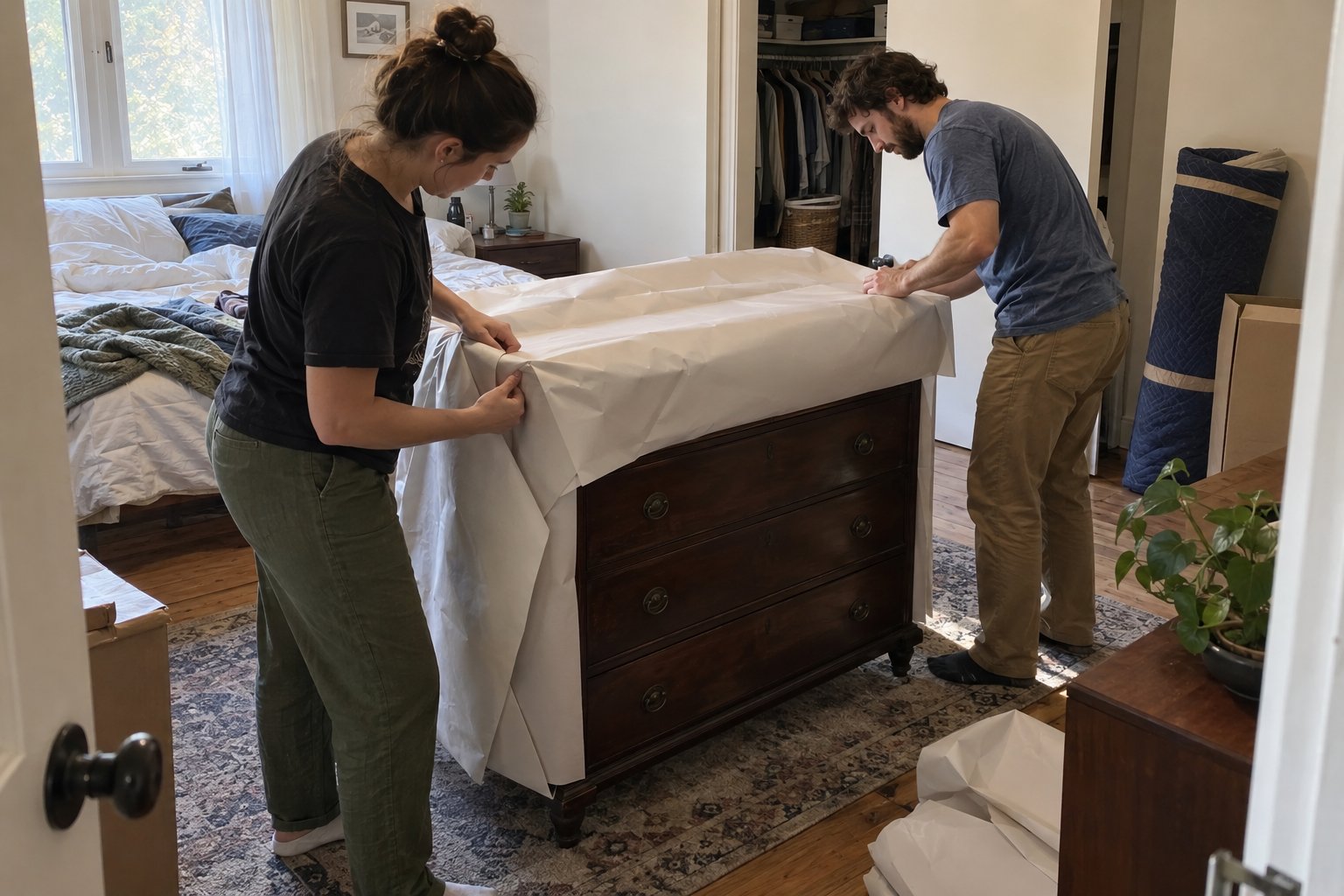
DIY moving and hiring local movers both get your belongings from one address to the next, but they ask very different things of you. A do-it-yourself move trades money for your own time, labor, and risk tolerance. Hiring a local moving crew trades a bigger chunk of your weekend for hands that already know how to carry a dresser down a stairwell without scraping the wall. Neither one is automatically the right call. It depends on how much you have, how much time you can give it, and how much risk you're willing to carry yourself.
This isn't a pricing comparison. Nobody can tell you what either route will cost without knowing your inventory, your distance, and your timeline, and any number that claims otherwise is a guess. What this is, is a side-by-side look at the two approaches on the things that actually determine whether moving day goes smoothly: time, physical effort, risk to your belongings and your body, and who each approach actually suits.
What's the Real Time Difference Between DIY and Hiring Movers?
A DIY move almost always takes longer in total hours, even if it feels shorter on paper. You're not just loading and driving. You're renting the truck, picking it up, figuring out where to park it, loading with whatever help you rounded up, driving carefully because you're not used to the vehicle, unloading, and returning the truck, often across two separate trips if you forgot something.
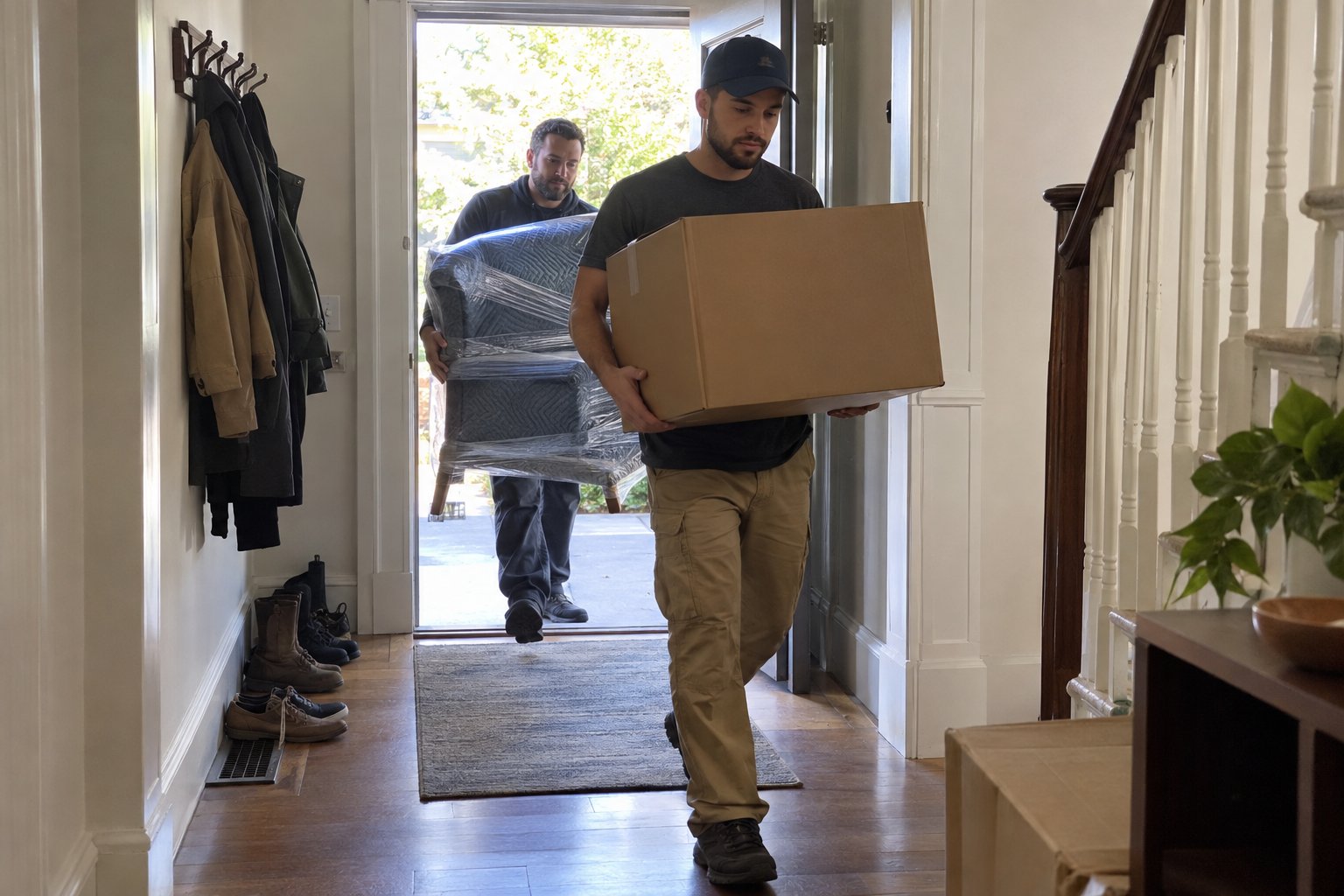
A local moving crew compresses that timeline because multiple trained people are working in parallel: one team loading while another wraps furniture, someone else handling the truck logistics. As a rough rule of thumb, a crew of two to three movers can typically load, transport across town, and unload a standard one-bedroom home in well under a day, where the same job stretched across a DIY weekend with friends often eats an entire Saturday and spills into Sunday for the unpacking and truck return.
If your moving window is tight, a weekday closing, a lease that ends the same day the new one starts, or a work schedule that only allows one day off, that compressed timeline matters more than it might seem.
How Much Physical Effort Does Each Option Actually Require?
DIY moving means you are the labor. Every box, every piece of furniture, every trip up and down stairs is on you and whoever you convinced to help. That's manageable for a studio apartment with a few boxes and a bed frame. It gets harder fast once you're dealing with a dresser, a sofa, or appliances that need to go down a narrow stairwell.
Hiring local movers removes that labor from your plate almost entirely. A trained crew knows how to carry furniture through doorways at the right angles, how to use straps and dollies so nobody is lifting with their back, and how to keep pace without burning out halfway through. If you have a bad back, young kids underfoot, or simply don't have a few strong friends free that weekend, this is usually the deciding factor more than anything else.
What a Move Still Asks of You Either Way
Even with a crew, you'll still want to pack your own boxes ahead of time (unless you've arranged packing help separately), label things clearly, and be around to answer questions about where items go. DIY just adds the loading, driving, and unloading on top of that.
Which Option Carries More Risk to Your Belongings and Your Home?
This is where the two paths diverge the most. DIY moving puts the risk of damage, to your furniture, your walls, your floors, and your own body, squarely on you. A rented truck doesn't come with someone who knows how to load it so nothing shifts in transit, and an inexperienced crew of friends can strain a back or drop a couch leg through drywall without meaning to.
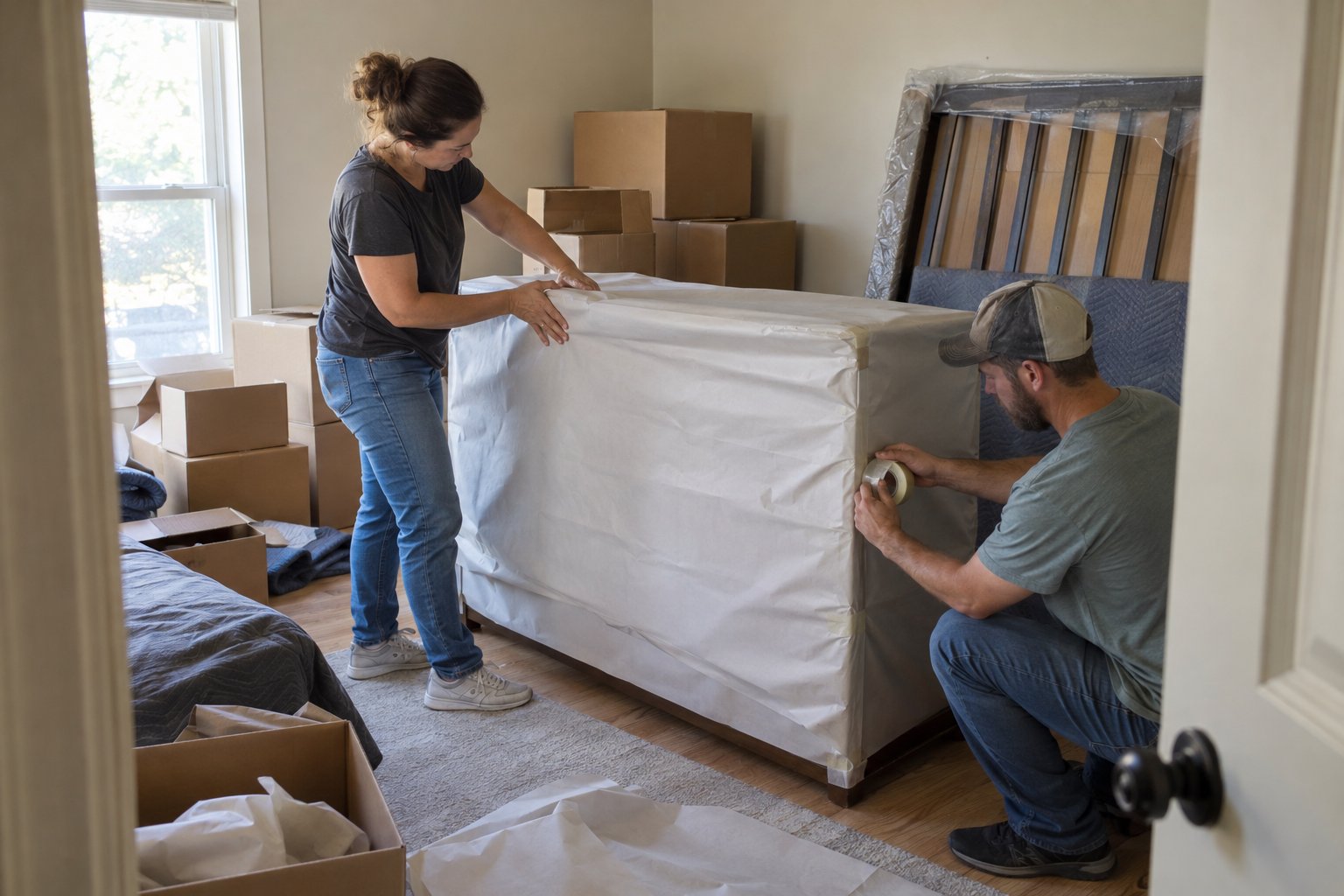
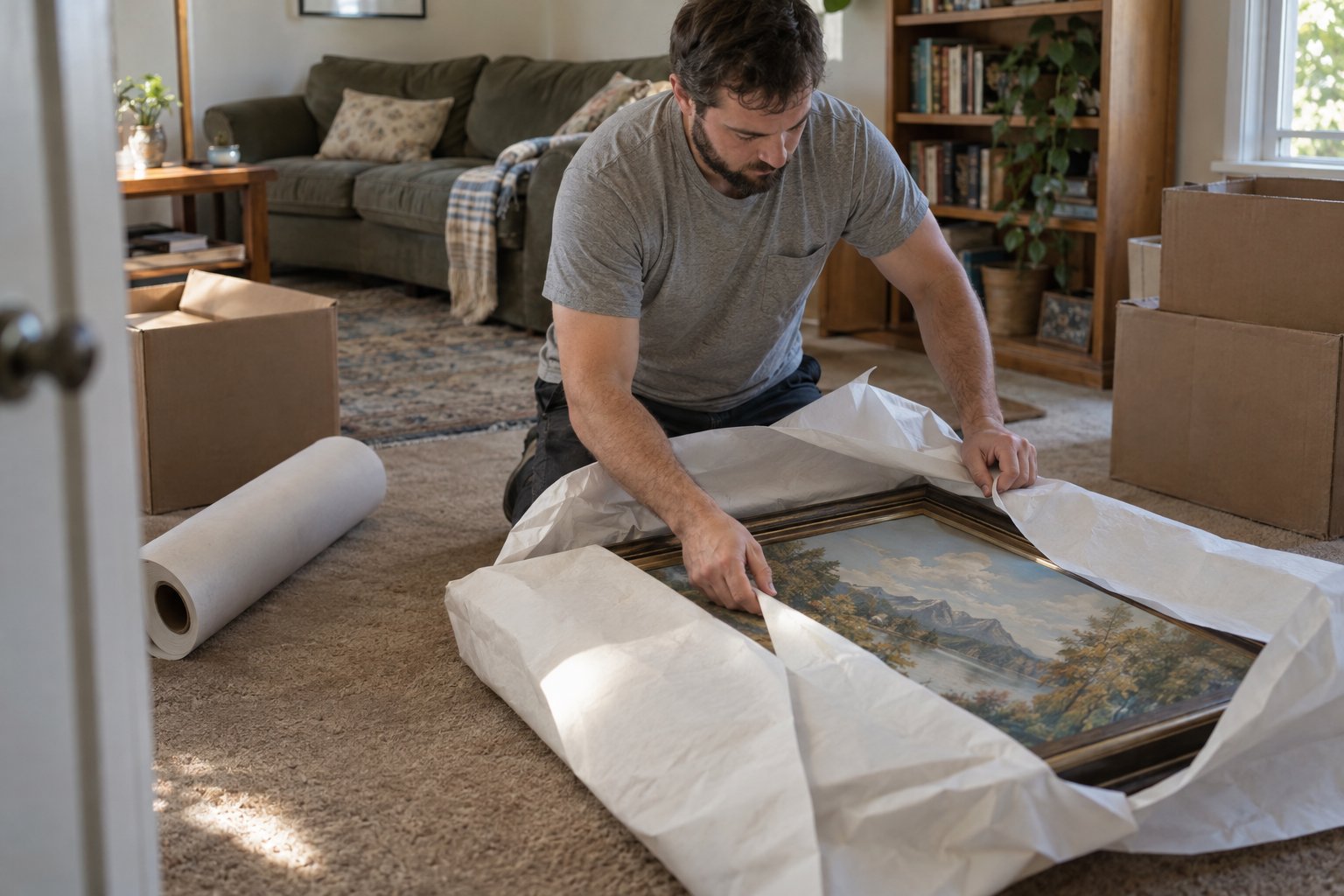
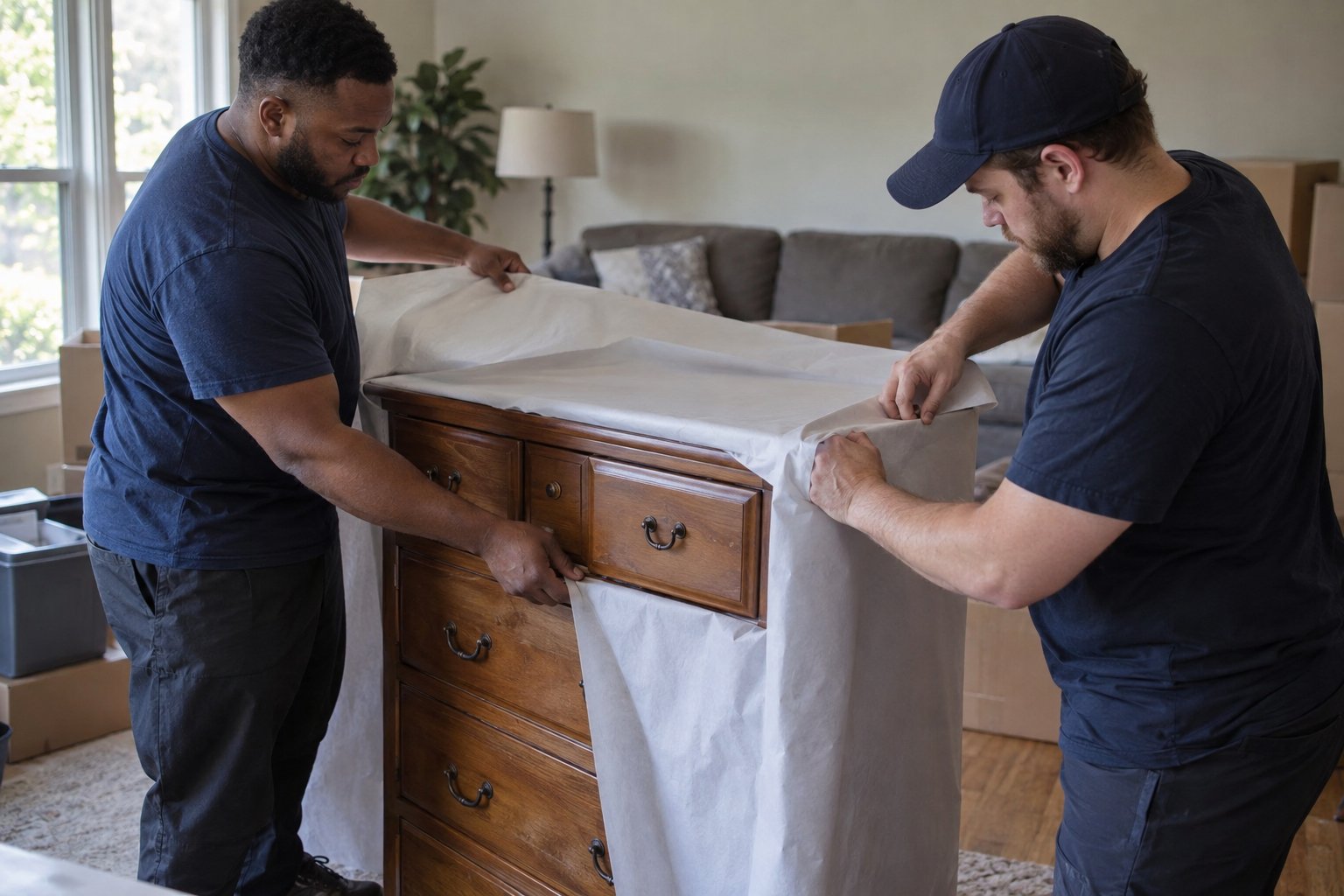
A professional local crew brings padding, wrapping, and floor protection as part of the job, and they've carried enough furniture through enough doorways to know how to avoid scuffed walls and scratched floors. That doesn't mean nothing can ever go wrong, but the odds shift in your favor when the people doing the lifting do it for a living. If you're worried about a specific risk, like getting a couch around a tight stairwell turn, it's worth reading up on how to move a couch through a tight space before deciding whether that job is one you want to take on yourself.
There's also the question of liability. If a friend gets hurt helping you move, that's on you in a way it simply isn't when a moving company's own employees are doing the carrying.
Who Actually Fits Each Option?
DIY moving tends to fit situations with a small inventory, a short distance, a flexible schedule, and a reader who is comfortable with physical labor and doesn't mind the planning overhead of renting a truck and rounding up help. A single room, a dorm move, or a studio apartment with little furniture are the clearest cases where doing it yourself is reasonable.
Hiring local movers fits almost everyone else: full households, anyone with stairs or a tight parking situation, anyone on a firm deadline, anyone with furniture that needs to be taken apart and put back together, and anyone who simply doesn't want to spend their moving day lifting boxes instead of settling into the new place. If your home has a lot of furniture that needs disassembly and reassembly, that alone often tips the decision toward hiring help, since getting a bed frame or sectional apart and back together correctly takes tools and know-how most people don't keep on hand.
Our Recommendation for Most Moves
For anything beyond a studio or single room, hiring local movers is the more reliable choice. The time savings alone are significant, but the bigger factor is risk: a trained crew protects your furniture, your floors, and your own body in ways a DIY move with borrowed trucks and willing friends usually can't match. DIY still makes sense for small, short, low-stakes moves where you have the time and the help lined up.
If you're weighing the two for a move around Wilmington, DE, Newark, DE, or elsewhere in the area, our local moving services are built around exactly this kind of decision point: a crew that handles the loading, carrying, and protecting so you're not doing it solo. Whichever way you lean, give yourself enough runway to pack ahead of time. A solid move-planning timeline helps regardless of which option you choose.
What About Mail, Records, and Address Changes?
Whether you move yourself or hire a crew, the paperwork side of a move doesn't change. You'll still need to file a change of address with USPS, update your license and registration with your state's DMV, and notify anyone else who mails you things. That part of the move is worth starting early no matter which option you pick, since it has nothing to do with lifting boxes and everything to do with staying organized.
Planning your move? Request a quote from Cullen Moving & Storage.