.png)
Home Entryway Essentials: Consoles, Mirrors, and Decor
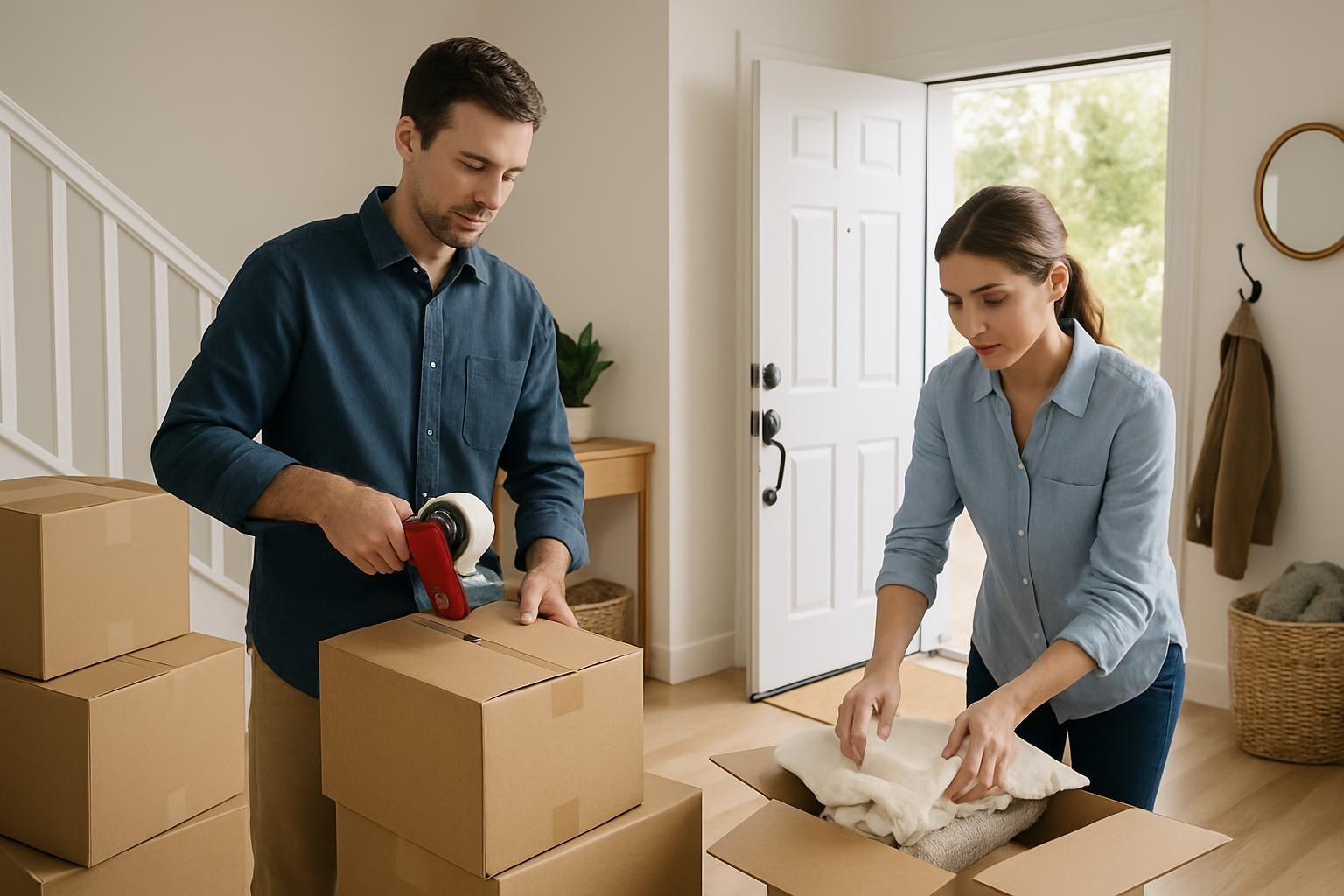
Knowing how to pack and move a home entryway correctly can save you from some of the most overlooked, fragile, and awkwardly shaped mistakes of any relocation. A home entryway looks simple and minimal from the outside — a console table pushed against the wall, a large mirror hanging above it, a coat rack loaded with jackets and bags, a bench with cubbies below, and decorative accents arranged across every surface — but the moment you start preparing it for a move, you realize every element inside it carries a completely different set of requirements. Console tables are long, narrow, and frequently built from delicate materials like painted MDF or antique wood that scuffs and chips at the corners the moment a moving blanket slips. Large entryway mirrors are among the most dangerous items in any home to transport — tall, heavy, and almost guaranteed to crack if leaned improperly or loaded without a dedicated mirror box. Coat racks and freestanding hall trees are top-heavy, have protruding hooks that snag and tear wrapping materials, and tip without warning during loading. Decorative accents — ceramic vases, framed art, lanterns, sculptural objects — are exactly the kind of one-off fragile items that get tossed into a miscellaneous box at the last minute and arrive broken. Most people pack an entryway by stripping it in the final hour, leaning the mirror against the truck wall, and hoping for the best. That is exactly the scenario a thoughtful, category-by-category plan prevents.
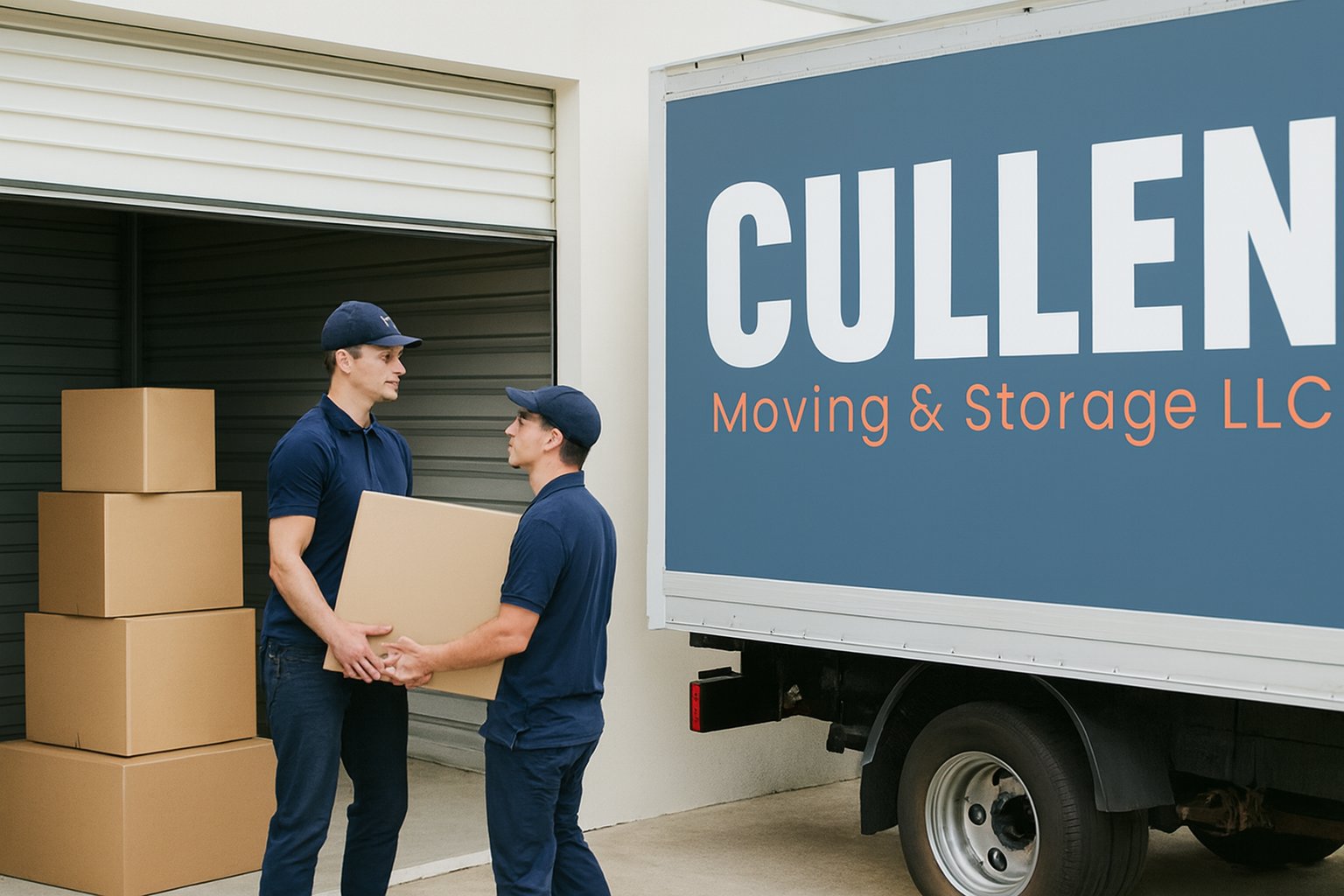
Need a professional team to handle the packing, protection, and transport of your home entryway? Call Cullen Moving and Storage LLC at 1 (215) 327-9733 — we move large mirrors, console tables, coat racks, and every fragile decorative accent around them every day with the care and equipment to protect everything at every step.
The entryway move fails most often because people treat it as the smallest and least important room in the house — a quick sweep that gets done in ten minutes while everything else is being loaded. In reality, the entryway concentrates some of the most fragile, most irregularly shaped, and most easily damaged items in the entire home. Mirrors shatter. Console table legs snap. Decorative ceramics crack inside undersized boxes. A methodical, category-by-category approach — working through furniture, mirrors, coat storage, and accent pieces as separate groups — is the only way to arrive at the new home with your entryway intact and your moving crew safe.
Step One: Audit, Edit, and Stage Everything Before Packing Begins
The most effective thing you can do for an entryway move is reduce the volume before a single piece of packing material comes out. Entryways accumulate clutter quietly — mail, keys, bags, shoes, seasonal coats, and decorative objects that were placed somewhere temporarily and never moved. A full audit, conducted at least two weeks before your moving date, lets you make deliberate decisions about what travels, what gets donated, and what gets discarded rather than defaulting to packing everything indiscriminately.
Walk the space and assess every item against two questions: Do I use it? Does it have a place in the new home? Entryway furniture that is visibly damaged, wobbly, or sized for a larger foyer than you are moving into is rarely worth the cost and effort of transport. Small decorative objects that were filler pieces — objects you bought to fill a surface rather than because you love them — are better donated than packed. Items you decide to keep should be cleaned, staged in a dedicated area away from the entry, and organized by category before any wrapping begins.
Grouping Items Before You Box Them
Sort your entryway into four categories before packing: large furniture pieces (console table, bench, hall tree), mirrors and framed art, hanging and soft goods (coats, bags, umbrellas), and decorative accents (vases, candles, sculptures, trays). Each category has a distinct packing method, a distinct box type, and a distinct loading sequence. Working across these categories simultaneously — grabbing random items as you go — is how things get damaged and lost. Finishing one category completely before moving to the next keeps the process controlled and accountable.
Step Two: Pack Console Tables and Entryway Furniture Correctly
Console tables are deceivingly difficult to move. Their narrow depth and long span make them prone to racking — a twisting force that stresses leg joints and can cause them to separate entirely, especially on furniture assembled with cam locks or dowels rather than traditional mortise-and-tenon joints. Before any console table is moved, remove everything from its surface and from any shelves below, then assess whether the legs detach.
Many modern console tables have legs that unscrew or pop off at a bracket, reducing the piece to a manageable flat panel and a bag of hardware. If the legs remove, take them off, wrap each leg individually in packing paper, bundle them together, and bag the hardware with a labeled zip-lock taped directly to the bundle. The tabletop should be wrapped in at least two layers of moving blanket, secured with stretch wrap, and loaded flat or upright against a padded truck wall — never balanced across other items where it can flex and crack.
Benches, Hall Trees, and Freestanding Coat Racks
Entryway benches with built-in storage are heavier than they look — the combination of a solid seat, frame, and cubbies or drawers adds up quickly. Empty every drawer and cubby completely before moving, and remove any cushion tops that are not fixed. Wrap the bench frame in a moving blanket and secure with stretch wrap. Do not lift from the seat alone — use handles or aprons if present, and always move with two people.
Hall trees and freestanding coat racks are top-heavy and prone to tipping. If the coat rack has a removable top section, detach it. Remove all hooks that unscrew and pack them in a labeled bag. Wrap the base and upright post in moving blanket, securing the hooks and protruding elements with extra layers to prevent snagging. Move the piece upright on a furniture dolly — never tipped horizontally, which stresses the base joints.
Step Three: Pack Large Mirrors and Framed Art with Dedicated Protection
Large entryway mirrors are among the most common items broken during a move, and almost every breakage is preventable with the right materials and method. The core rule is simple: a large mirror should never travel without a mirror box — a specially sized cardboard box with corner protection, sometimes combined with a wooden crate for particularly large or valuable pieces.
Before boxing, apply a layer of painter's tape in an X pattern across the mirror face. This does not prevent breakage, but it does prevent the glass from shattering into loose shards if the mirror is dropped or struck — the tape holds the pieces together, making cleanup and damage assessment far safer. Wrap the mirror first in two layers of packing paper, then in a moving blanket, securing the blanket with rubber bands rather than tape, which can pull the mirror's finish or frame when removed.
Sizing and Loading the Mirror Box
Mirror boxes come in adjustable sizes — two interlocking sections that telescope to fit the mirror's dimensions. Size the box so the mirror fits with no more than a few inches of extra space on any side, then fill that space with crumpled packing paper or foam sheeting to prevent the mirror from shifting. Seal the box on all edges with heavy packing tape, and mark all four sides with "FRAGILE — GLASS — THIS SIDE UP." In the truck, mirrors should ride upright, never flat, and should be loaded last so they are unloaded first and spend minimal time under load pressure from surrounding items.
Framed artwork from the entryway follows the same general approach — packing paper, moving blanket, and a flat box or picture box sized to the frame — with the additional consideration that decorative frames with elaborate molding or gilding require extra corner padding to protect the raised detail work.
Step Four: Handle Decorative Accents, Vases, and Ceramic Objects
Decorative accent pieces are the category most frequently under-packed during an entryway move. Because they are small and seem manageable, they get placed loosely in a box together, separated by a few sheets of paper, and loaded without additional cushioning. The result is predictable — everything in that box has shifted, knocked against everything else, and arrived with chips, cracks, or shattered bases.
Each ceramic vase, sculptural object, lantern, and decorative tray deserves individual wrapping. Start with a layer of packing paper wrapped completely around the piece, then add a layer of bubble wrap secured with tape. Place the wrapped item upright in a small or medium box, cushioned on all six sides — bottom, top, and all four walls — with at least two inches of crumpled paper or foam. Never mix heavy and light objects in the same box. Candles should be wrapped individually and packed away from ceramic items to prevent wax transfer during temperature changes in the truck.
Packing Coats, Bags, and Hanging Items
Coats, jackets, and bags that live on the coat rack or in the entryway closet move best in wardrobe boxes — tall, freestanding boxes with a hanging bar that allow garments to travel on their hangers without folding or compression. Bags and totes can be stuffed with packing paper to hold their shape and nested inside each other before boxing. Umbrellas, walking sticks, and similar items should be bundled together with a rubber band and wrapped in a moving blanket section or placed in a long box. Do not leave them loose in the truck — they roll, tip, and wedge under furniture in ways that damage both the items and everything around them.
Step Five: Label, Load, and Protect in the Right Sequence
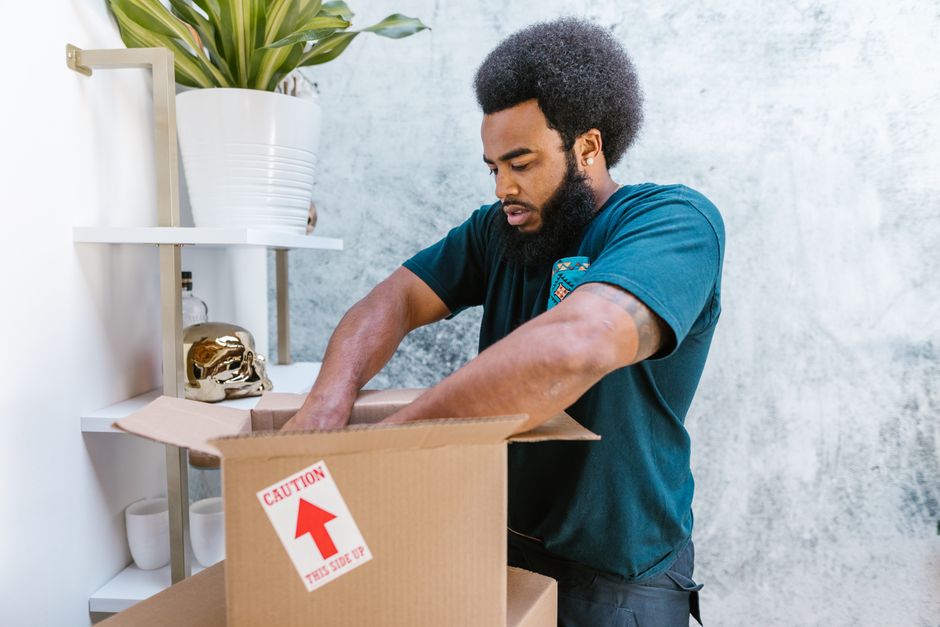
Labeling for an entryway move should go beyond "Entryway" on the box flap. Use a system that includes the room, the category, the contents at a high level, and any special handling instructions. A box labeled "Entryway — Ceramics — Fragile — This Side Up" communicates everything a mover needs to handle it correctly without opening the box. Mirror boxes should have handling notes on all four sides, not just the top.
Loading order for entryway items follows the same logic as the rest of the home: heaviest, sturdiest items load first and go against the truck walls and floor; fragile, lightweight items load last and go at the top of stacks, never under weight. Mirrors ride upright in the last position before the door. Console tables and benches, once wrapped, load flat against the truck wall with the surface face protected by a moving blanket between it and the wall. Never stack boxes on top of a console table in the truck — the surface will bow or crack under concentrated box weight on a long drive.
A well-packed entryway arrives at the new home ready to reassemble in under an hour. Reattach console table legs, rehang the mirror on the new wall, reassemble the hall tree, and unpack decorative accents in the order you want them displayed. The entryway is the first thing every guest sees when they walk into your home — protecting it during the move is how it stays the space you built it to be.
Ready to move your entryway the right way? Call Cullen Moving and Storage LLC at 1 (215) 327-9733 or get a free moving quote online — our team handles large mirrors, delicate console tables, and every accent piece in between with the experience and equipment to protect everything from door to door.