.png)
How to Pack a Storage Unit to Maximize Space and Protect Your Belongings
Knowing how to pack a storage unit correctly can make the difference between a chaotic, cramped space and an organized, accessible vault for your belongings. Whether you are downsizing, staging a home for sale, or bridging the gap between two moves, a well-packed unit protects your items and saves you money by reducing the amount of space you need to rent. The strategies below will help you approach the task like a professional.
Ready to simplify your move and storage needs? Call Cullen Moving and Storage LLC at 1 (215) 327-9733 to learn about our full-service storage solutions.
Most people underestimate how much thought goes into arranging a storage unit. Without a clear plan, heavy boxes end up on top of fragile ones, frequently needed items get buried in the back, and empty air pockets waste precious vertical space. A systematic approach eliminates all of these problems before they start.
Plan Before You Pack a Single Box
The most important step happens before you ever load the first item into the unit. Start by inventorying everything you plan to store and grouping it into categories: furniture, seasonal items, clothing, appliances, documents, and fragile goods. This exercise gives you a mental map of what you have and what each item requires in terms of protection and placement.
Next, sketch a rough layout of the unit. Place the items you will need least often toward the back and the things you may need to retrieve — seasonal decorations, sports gear, or tools — near the front. Leaving a narrow center aisle down the length of the unit is one of the most practical habits you can adopt. It lets you reach items without dismantling an entire wall of boxes every time you visit.
Finally, choose the right unit size. Renting a unit that is slightly larger than your minimum estimate gives you room to organize properly rather than cramming everything in and losing the benefits of a good layout.
Gather the Right Packing Supplies
Using the correct materials is fundamental to learning how to pack a storage unit effectively. Uniform, sturdy boxes stack far more safely and compactly than a mismatched assortment of grocery store castoffs. Invest in a consistent set of small, medium, and large boxes from a single source so they interlock cleanly.
- Small boxes — ideal for books, tools, and heavy kitchen items. Keeping weight manageable prevents box failure and back injuries.
- Medium boxes — best for linens, clothing, toys, and smaller electronics.
- Large boxes — use sparingly for lightweight items like pillows, comforters, and lampshades.
- Wardrobe boxes — protect hanging garments from creasing and moisture damage over an extended storage period.
- Bubble wrap and packing paper — wrap individual fragile items before boxing them to absorb vibration and prevent breakage.
- Stretch wrap and furniture pads — shield surfaces of large furniture pieces from scratches, dust, and humidity.
- Moisture absorbers — silica gel packs or small desiccant canisters placed inside drawers and boxes help combat humidity in enclosed units.
Label every box on at least two sides with the category, a brief contents list, and whether the box is fragile. Color-coded tape by room or category makes sorting even faster when you need to retrieve something specific.
Load the Unit in the Right Order
Loading sequence is the heart of how to pack a storage unit efficiently. Following a deliberate order turns a random pile into a structured, stable system that is safe to access months or even years later.
Start With Large Furniture and Appliances
Place your heaviest and largest items first, pushed all the way to the back wall. Disassemble furniture where possible — remove table legs, detach bed frames, and take doors off wardrobes — to flatten profiles and free up floor space. Stand mattresses and box springs upright on their sides along the unit's side walls to save floor area. Appliances like washing machines and refrigerators should be cleaned, dried, and stored with their doors slightly ajar to prevent mold and mildew buildup.
Build a Stable Box Wall
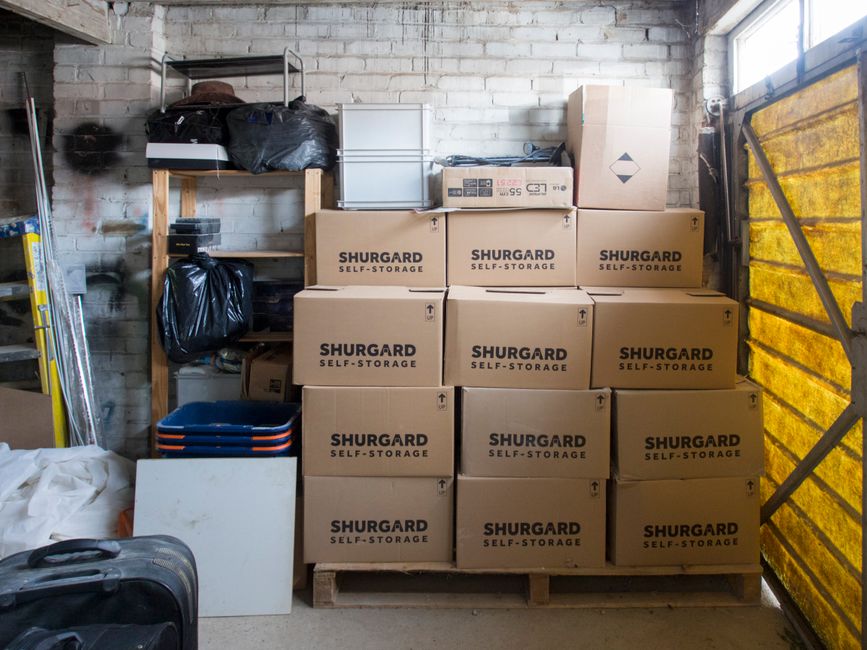
Once large items are in place, begin stacking boxes against the back and sides. Place the heaviest, most durable boxes on the bottom and lighter ones on top. Fill every box completely — a partially filled box will collapse under weight. If a box is not full, pad it with crumpled packing paper or a folded towel before sealing it. Aim for a level, even stack rather than a pyramid, which is more likely to topple.
Use Furniture as Shelving
One of the most underused techniques when figuring out how to pack a storage unit is treating hollow furniture as extra storage space. Fill dresser drawers with soft items like linens or clothing. Stack small boxes inside wardrobes or armoires before closing them. Tuck rolled rugs vertically in open corners. This approach makes use of every cubic foot you are paying for.
Keep an Accessible Front Zone
Reserve the front quarter of the unit for items you are likely to need during the storage period. Stack them in a single accessible layer so you never have to move more than one or two things to get to what you came for. Label these boxes prominently.
Protect Your Belongings From Common Storage Hazards
Even a clean, well-managed storage facility can expose your belongings to humidity, temperature swings, pests, and accidental damage if you do not take proactive steps. Knowing how to pack a storage unit also means knowing how to defend its contents over time.
Climate and Moisture Control
Wood furniture, electronics, musical instruments, artwork, wine, and important documents all benefit from a climate-controlled unit, where temperature and humidity are regulated year-round. If climate control is not an option, elevate everything off the floor using pallets or boards to allow air circulation and protect against any water that might seep under the door during heavy rain.
Pest Prevention
Never store food, open containers of liquid, or heavily scented items that could attract rodents or insects. Sealed plastic bins offer better pest resistance than cardboard boxes for items you plan to store for many months. Mothballs placed in garment boxes deter fabric-damaging insects.
Fragile Item Placement
Mirrors, framed artwork, and glass tabletops should stand upright on their edges rather than lying flat, which reduces the risk of cracking under pressure. Mark these items clearly and pad their edges with moving blankets or cardboard corner protectors. Never stack heavy boxes on top of items marked fragile.
Maintain Your Unit Over Time
A storage unit is not a "set it and forget it" investment. Plan to visit periodically to check for signs of moisture, pests, or shifting stacks. Reorganize after each retrieval so the unit does not gradually devolve into chaos. Keep an updated inventory list — even a simple spreadsheet or phone note — so you always know exactly what you have stored and where it is located in the unit.
If your storage needs are part of a broader relocation, working with a company that handles both moving and storage simplifies the entire process. A single point of contact means less coordination stress and greater accountability for your belongings throughout the transition.
Cullen Moving and Storage LLC offers integrated packing, moving, and storage services throughout the Delaware County area and beyond. Our team helps you plan the right unit size, packs your items with professional-grade materials, and loads your unit so everything arrives safely and stays that way. Contact us today to build a plan that fits your timeline and budget.