.png)
How to Pack Fragile Items Safely for Storage?
.webp)
Have you ever wondered why some dishes survive a move while others shatter? Often, it’s about proper protection and placement. Packing fragile items safely for storage saves a lot of valuable goods and makes the move smooth without any loss.
Packing fragile items for storage requires care and planning. You want to make sure your delicate belongings survive the move and months in storage. Even small mistakes can cause breakage. The key is padding, wrapping, and organizing carefully.
Best Practices to Follow for Packing Fragile Items Safely for Storage
Below are some of the best tips for packing fragile items safely for storage:
Strong Boxes
The first step in secure packaging is strong boxes. The weight causes thin or old boxes to collapse. The moving process of many moving companies requires you to use boxes that have been specially created for this purpose. The bottom needs extra tape reinforcement because it requires additional protection. The handling of heavy glass or ceramic items requires specialized procedures.
- Choose double-walled boxes for fragile items.
- Tape edges and corners well.
- Use medium or small boxes for heavy items to avoid overloading.
- Inspect boxes for dents or tears before use.
Soft Padding
The process of transporting and storing delicate items requires protection through padding, which safeguards them against shocks. The materials you can use for packing include packing paper, foam sheets, and old towels. The material protects against impact while it stops scratches from occurring. The process requires you to wrap every single item in its own separate packaging.
- Line the bottom of boxes with padding.
- Wrap individual items in soft materials.
- Add extra layers for heavier or delicate pieces.
- Ensure items don’t touch each other inside the box.
Wrap Items
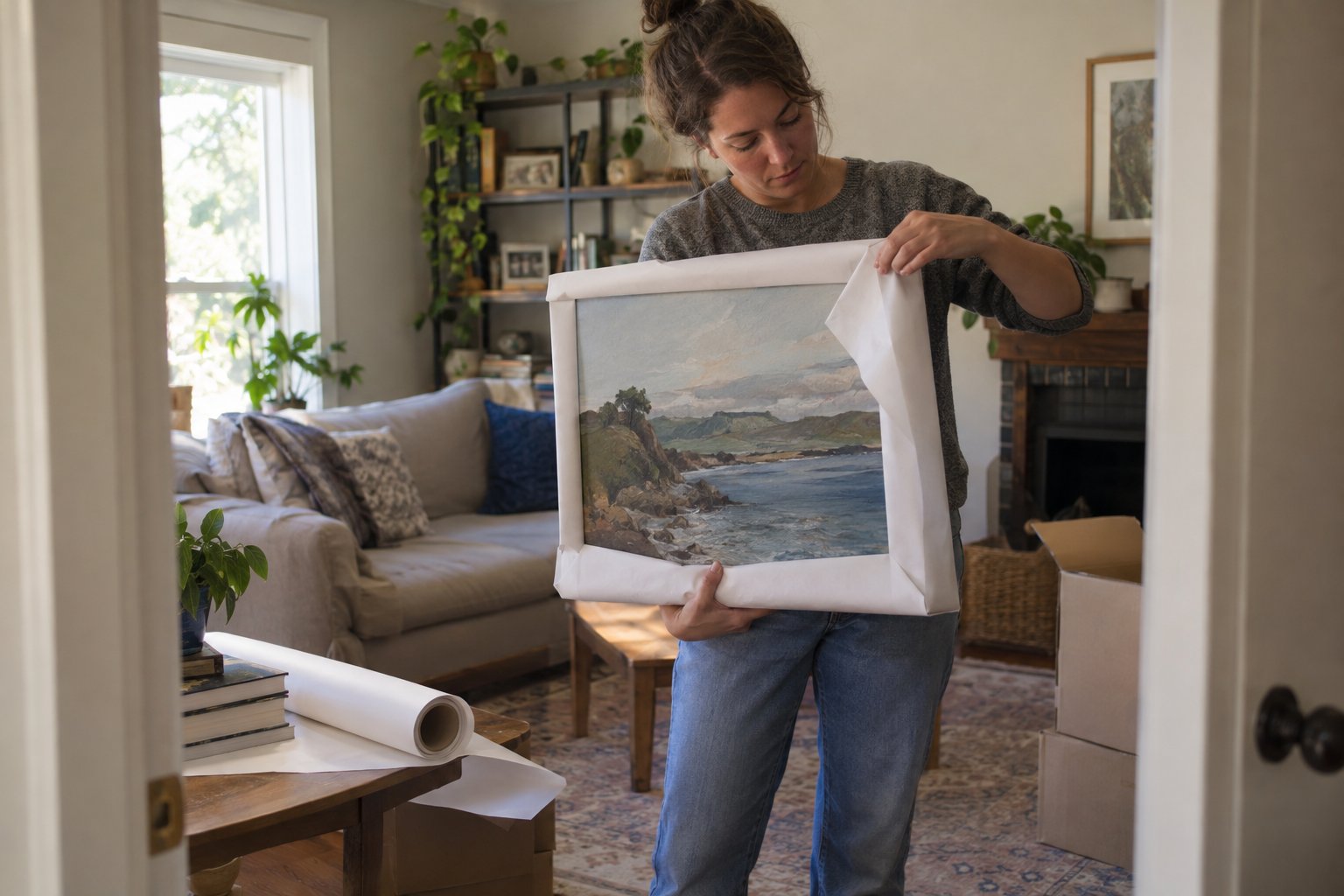
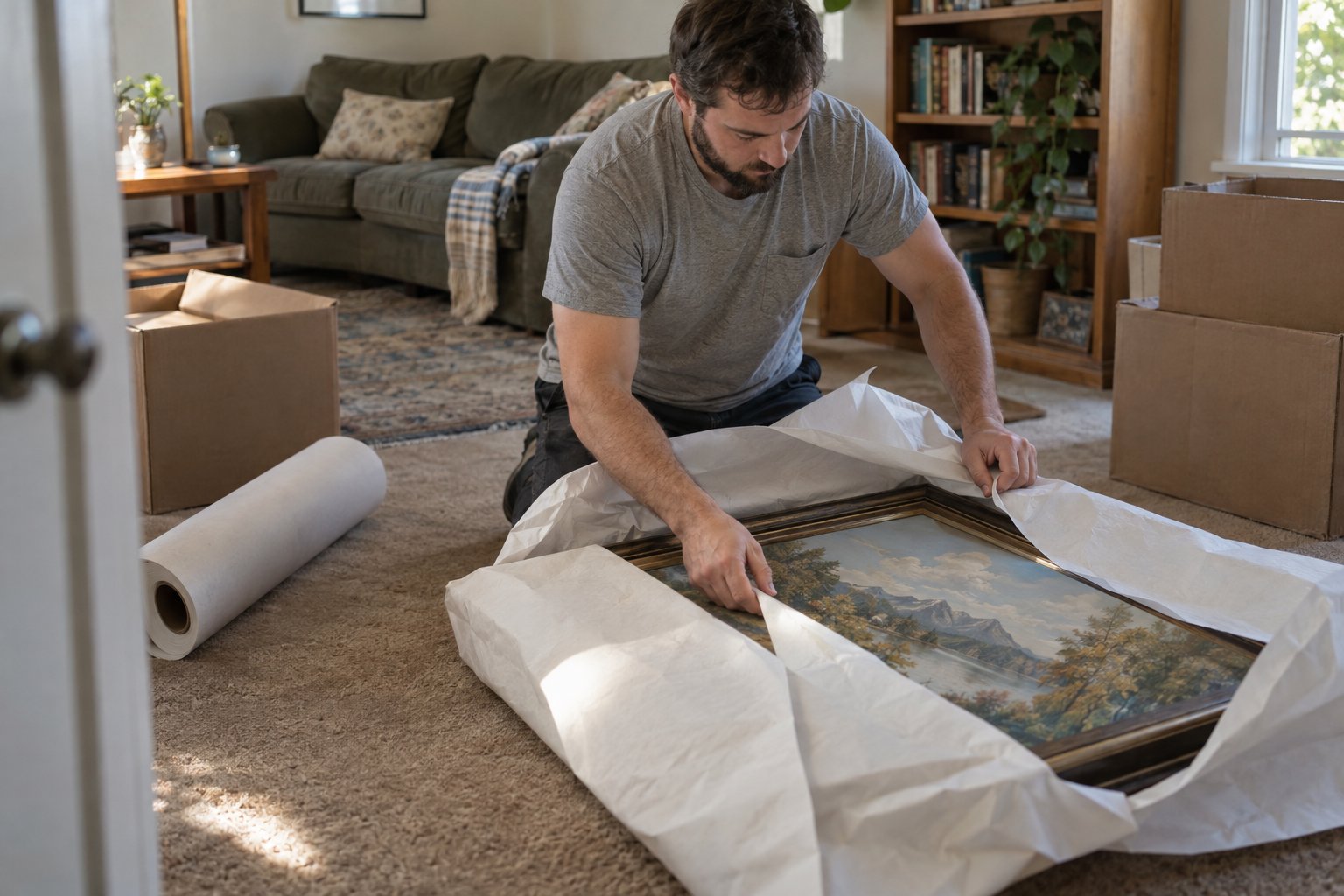
Wrap fragile items completely before placing them in boxes. Paper, cloth, or bubble wrap works. And don’t forget the tops and bottoms of bottles or jars. Wrapping protects items from scratches and cracks.
- Start with a thin layer for protection.
- Add a second layer for fragile items like glass or porcelain.
- Secure wrap with tape without covering the label.
- Wrap handles and spouts separately.
Use Bubble Wrap
Bubble wrap absorbs shock and prevents scratches. Use it for glass, ceramics, electronics, and framed items. Double-wrap heavier items. A Florida family used bubble wrap to protect their heirloom dishes, and all items reached their destination without damage at storage.
- Cover the entire surface of the item.
- Tape lightly to hold the wrap in place.
- For tall or awkward items, wrap vertically.
- Place fragile items upright whenever possible.
Protect Corners
Corners are vulnerable areas that make objects easy to destroy. The handling of mirrors, frames, and furniture requires additional protection. The solution requires using cardboard corners, foam sheets, and folded paper. A tiny corner guard provides sufficient protection to safeguard a delicate item.
- Cut cardboard or foam to fit the corners.
- Wrap items before adding corner guards.
- Tape corners lightly to hold in place.
- Check after packing to ensure corners aren’t exposed.
- Use extra padding if stacking multiple items.
Layer Items
The correct method of stacking items protects delicate objects. The storage system requires heavy items to be placed at the bottom, while lighter items should be stored on the upper section. The best method for storing plates and flat objects involves vertical stacking. Round items fit into the padding or towels. The process of layering materials prevents crushing damage and breakage during storage.
- Place heavier, flat items first.
- Nest round objects inside padding.
- Separate layers with soft padding.
- Keep a uniform weight distribution in boxes.
- Don’t overload boxes with mixed heavy and light items.
Fill Gaps
Empty spaces allow items to shift, increasing the risk of breakage. Fill all gaps with crumpled paper, bubble wrap, or packing peanuts. Avoid compressing items too tightly. Well-filled boxes protect fragile items from impact.
- Check for empty spaces between items.
- Fill gaps completely with padding.
- Use small pieces of foam for delicate objects.
- Test boxes by gently shaking; if things move, add more padding.
- Keep the box stable and balanced for stacking.
Take Apart Big Items
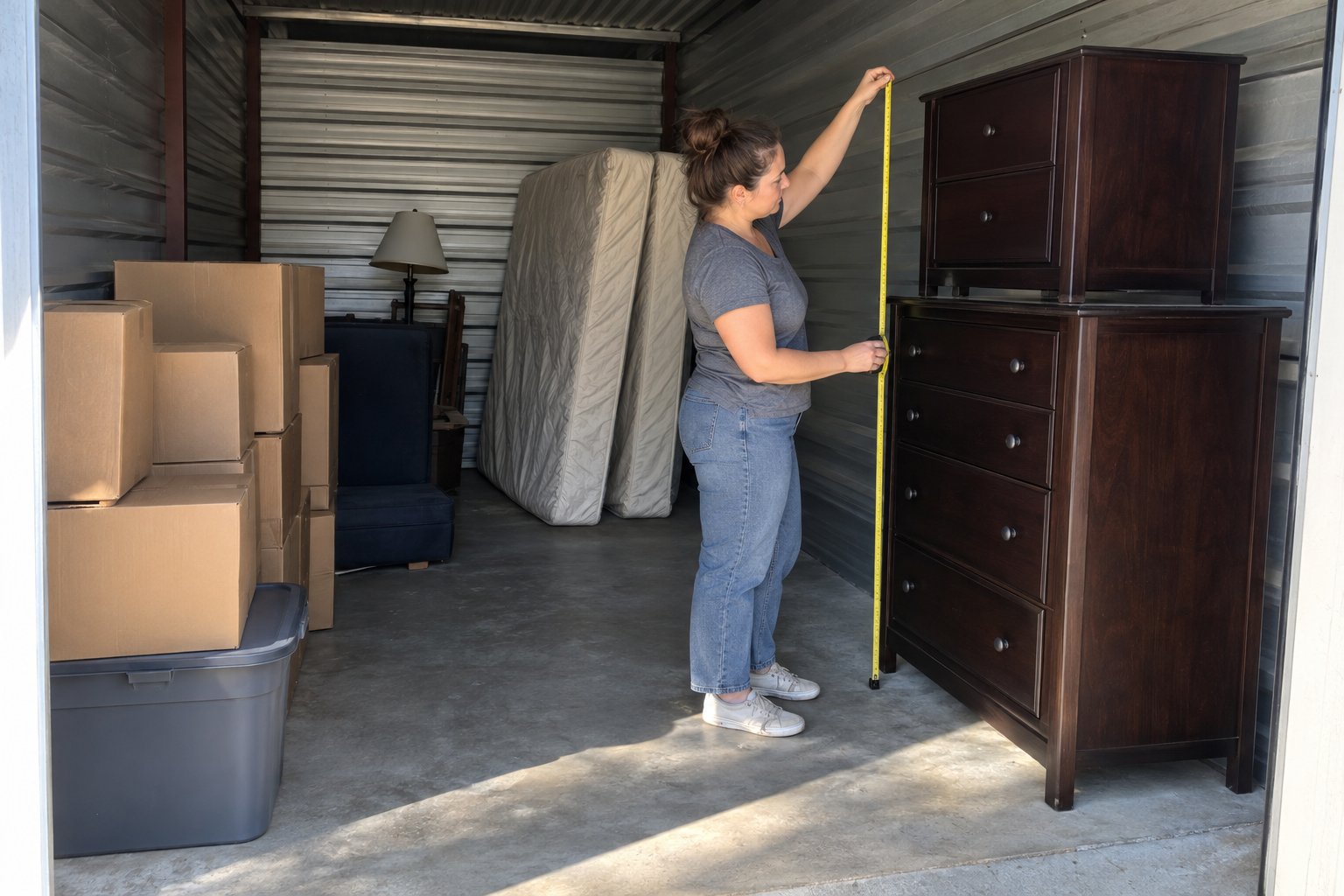
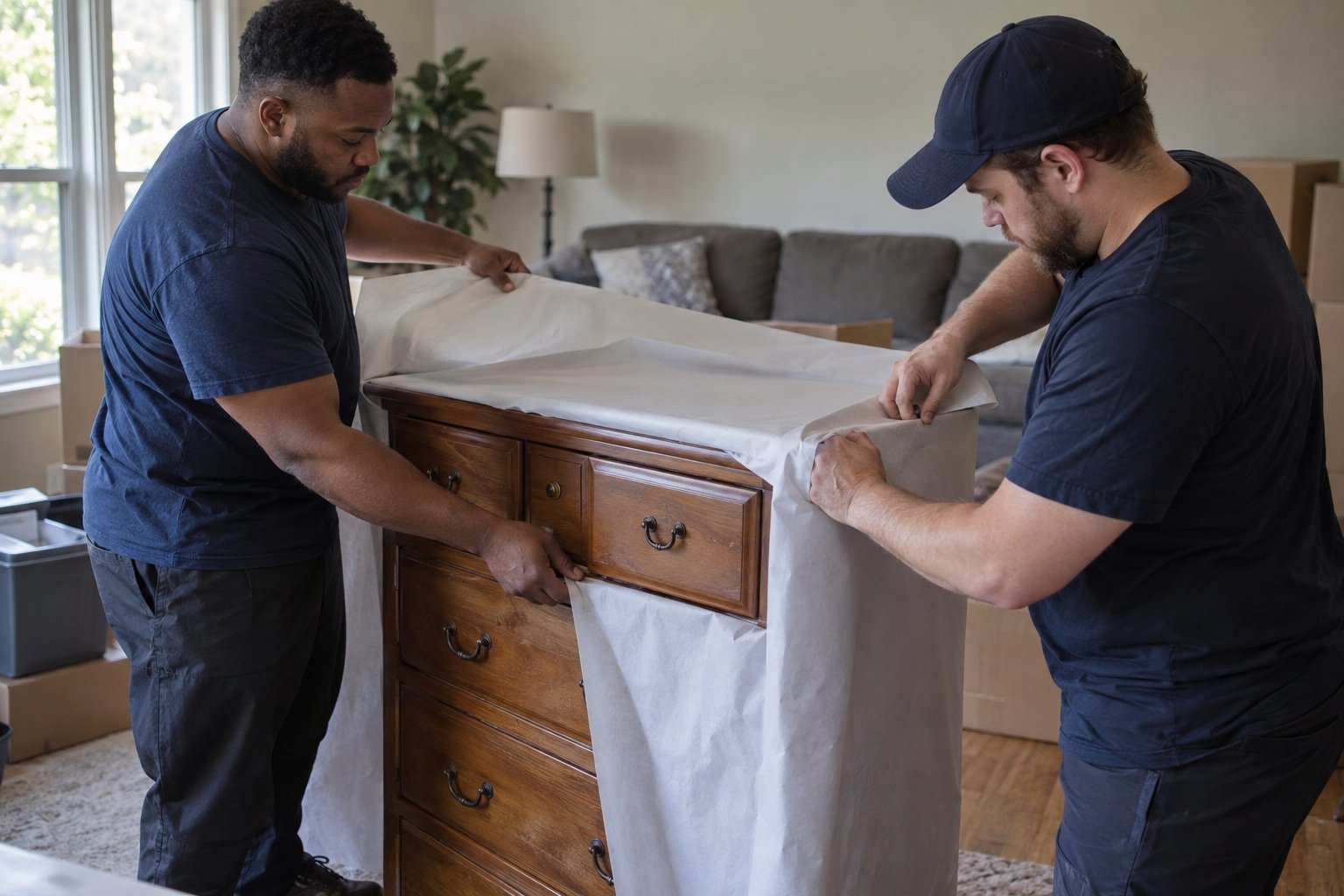
Disassemble furniture or large, fragile pieces. Remove glass, shelves, or legs. Wrap each component individually. Label parts clearly to avoid confusion later. This saves space and reduces damage.
Secure Small Parts
Keep screws, knobs, and small pieces in labeled bags. Tape them to the main item or place them inside the box. Losing small parts makes assembly difficult later.
Pack Odd Shapes
Items with unusual shapes need extra attention. Use flexible boxes or padding to fill gaps. Curves or edges should have extra layers of paper or bubble wrap. Odd shapes move easily, so proper protection is key.
Stack Carefully
The process of stacking items must follow specific rules to ensure the safe storage of all packaged contents. You need to put the fragile items inside their boxes because they should not get damaged during storage. You need to place cushioning materials between your boxes when you plan to stack multiple boxes. The correct method of stacking items protects them from damage during both storage and transportation.
Stack Type
What to Consider
Light on Top
Prevent crushing heavier items below
Flat Base
Keep boxes level and stable
Fragile Layer
Avoid stacking heavy boxes on fragile ones
Cushion Between
Use padding between layers for safety
Climate Storage
Some items need specific temperature and humidity levels for their proper preservation. The materials wood, paper, and electronics face the risk of warping or degradation. Climate-controlled units keep your environment at fixed conditions while they simultaneously decrease moisture levels. The storage solution serves as the perfect choice for protecting antique objects, musical instruments, and vital documents.
Conclusion
Packing fragile items is about patience, planning, and care. Strong boxes, wrapping, padding, and stacking are essential. Filling gaps, protecting corners, and layering items ensures safety. Take apart large items, secure small parts, and consider climate-controlled storage for sensitive belongings.
Following these steps prevents breakage, reduces stress, and makes unpacking easier. And with thoughtful organization, your items stay safe even when stored for months. Proper packing is an investment in protection, peace of mind, and long-term savings. Fragile items can survive any move if handled carefully and systematically, but if you are unsure, you can always look for a moving company near me.
For professional and reliable moving services in Delaware County, to take care of your fragile belongings while moving, reach out to Cullen Moving & Storage.
FAQs
How to pack fragile items like a pro?
You should wrap each item separately and use abundant cushioning material, which includes bubble wrap and packing paper, to fill sturdy boxes that contain the wrapped items.
How should fragile materials be stored?
The ideal storage solution for fragile items requires a secure, stable space with protective padding that keeps them away from heavy objects and high-traffic areas.
Is it better to wrap glass in paper or bubble wrap?
Bubble wrap is superior to other packaging materials because it provides better protection for items while minimizing the risk of breakage.