.png)
How to Pack Books for Moving Your Personal Home Library
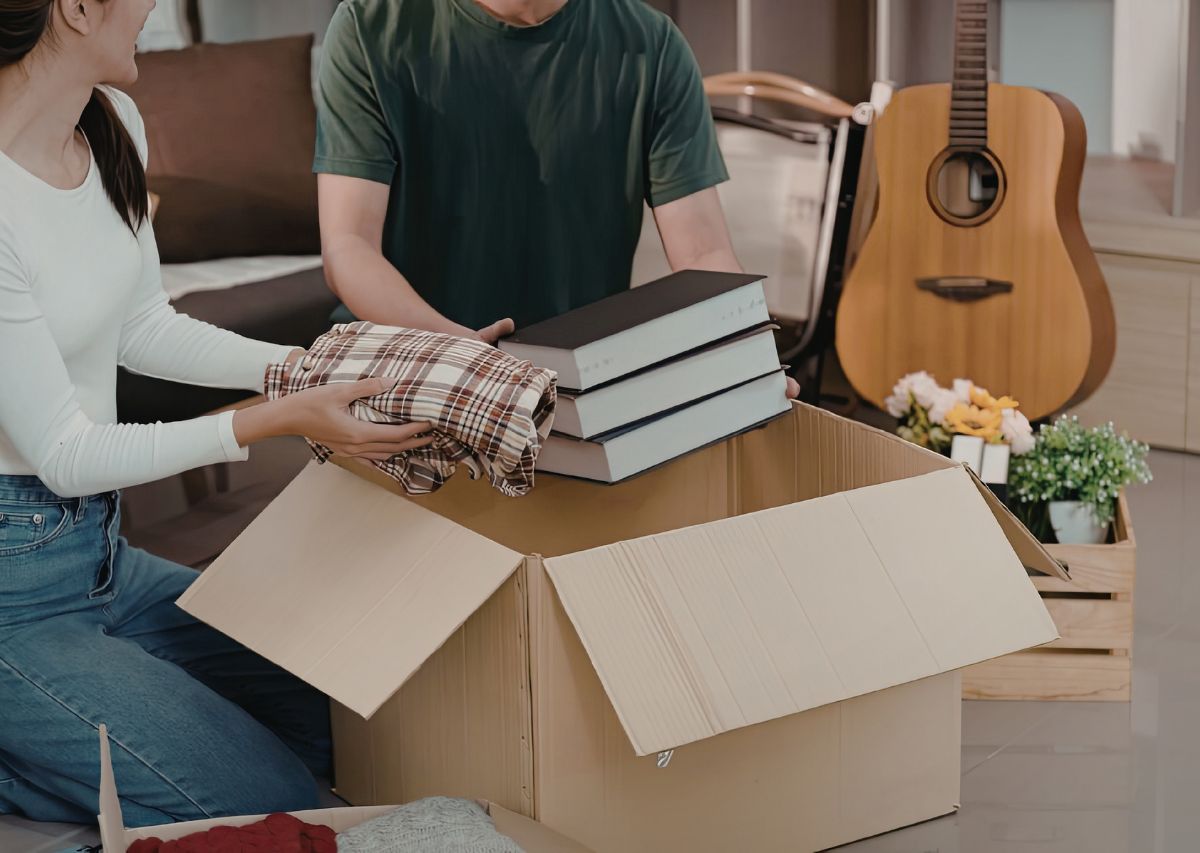
Relocating your home library is often more complex than people realize. If you are wondering how to pack books for moving, you must prioritize weight management and structural integrity. Working with professionals like Cullen Moving & Storage can help, but books are surprisingly heavy in large quantities, and a standard large box can easily exceed 100 pounds if filled incorrectly during the transition.
Understanding the physics of paper weight is the first step toward a successful move. Whether you possess a collection of vintage hardcovers or a massive stack of modern paperbacks, the goal remains the same. You want every page to arrive at your new destination without creases, moisture damage, or broken bindings from poor stacking methods.
Selecting the Right Packing Materials
The foundation of learning how to pack books for moving starts with your choice of containers. Never use large boxes for heavy reading materials because they become impossible to lift and likely to burst. Small, sturdy boxes are the industry standard for transporting any collection of dense printed media safely.
In addition to boxes, you will need high quality packing tape and plenty of acid free paper. Newspaper can sometimes leave ink stains on older pages, so clean packing paper is a much safer alternative. Having the right supplies on hand ensures that your literary treasures are protected from the elements and physical impact.
Sorting and Decluttering Your Library
Before you dive into how to pack books for moving, take a moment to evaluate your collection. Moving is the perfect time to donate titles you no longer read or need. Reducing the total weight of your shipment can save significant time and money during the physical labor phase.
If you have a collection of 1200 books, sorting them by size and weight will make the actual boxing process much faster. Grouping similar heights together allows you to maximize the space inside each small box. This systematic approach prevents items from shifting around while the moving truck is in transit to your home during a long distance moving project.
The Three Main Packing Methods
There are three primary ways to arrange your volumes within a box. You can stand them upright like they are on a shelf, lay them flat on their backs, or place them spine down. Never pack books with the spines facing up, as this can cause the pages to pull away.
Each method has its benefits depending on the type of book you are handling at the time. Hardcovers often do well standing up, while heavy coffee table books should always be laid flat. Mixing these methods allows you to fill gaps and create a stable, solid brick of literature that resists crushing.
Protecting Rare and Valuable Editions
If you own rare first editions, the process of how to pack books for moving becomes even more delicate. Each valuable book should be individually wrapped in packing paper to prevent the covers from rubbing together. This extra layer of protection keeps the dust jackets and leather bindings in pristine condition throughout.
For particularly expensive items, consider using double walled boxes or adding extra cardboard inserts for rigidity. These reinforcements act as a shield against external pressure and accidental drops. When it comes to your most prized possessions, taking a few extra minutes for individual wrapping is a very wise investment.
Managing Box Weight and Balance
A common mistake when learning how to pack books for moving is overfilling the containers. Aim to keep each box under thirty pounds to ensure they are manageable for the movers and yourself. If a box feels too heavy, remove some books and fill the remaining space with light padding.
Padding materials like bubble wrap or crumpled paper help maintain the shape of the box during stacking. A box with empty space is prone to collapsing when other items are placed on top of it in the truck. Keeping the weight balanced ensures that the bottom boxes do not get crushed.
Sealing and Labeling Your Boxes
Once your books are snugly inside, secure the bottom and top of the box with multiple layers of tape. Use the H-taping method to reinforce the seams and prevent the bottom from falling out during a lift. Strong tape is your best defense against the heavy gravity of a full book box.
Labeling is equally important for an organized move and an easy unpacking experience later on. Mark each box with the room destination and a brief description of the contents or genres inside. Clearly writing "Books" and "Heavy" on multiple sides alerts the moving crew to handle these specific boxes with care.
Avoiding Moisture and Environmental Damage
Paper is highly susceptible to humidity and liquid spills during the moving process. If you are moving during a rainy season, consider lining your boxes with plastic bags for an added layer of security. This prevents external moisture from soaking through the cardboard and damaging the interior pages or covers.
If you have a massive library of 1200 volumes, ensuring them stay dry is a massive logistical priority for you. Store your packed boxes in a climate controlled area if there is a delay between packing and the actual move date. Protecting your collection from dampness ensures that mold and mildew never find a home.
Loading the Moving Vehicle Strategically
When the time comes to load the truck, place your book boxes on the floor of the vehicle. Their weight and regular shape make them an excellent base for lighter items like linens or small decor. However, never stack them too high, as a tall column of heavy boxes can become unstable.
Distribute the weight evenly across the floor of the truck to maintain proper vehicle balance during the drive. If you have furniture with large drawers, do not fill them with books as this can damage the tracks. Keeping the weight in small, dedicated boxes is the most professional way to move.
Unpacking and Reshelving Your Collection
After arriving at your new home, prioritize unpacking your books once the main furniture is in place. Leaving books in boxes for too long can lead to a musty smell if the environment is not well ventilated. Returning them to shelves allows the paper to breathe and prevents any long term warping.
This is also a great time to organize your library in a way that suits your new space. Whether you prefer alphabetical order or color coding, having a plan makes the process much more enjoyable. Your transition is not truly complete until your favorite stories are back in their rightful places.
Specialized Tips for Professional Movers
Professional movers often use specific techniques to handle large libraries for their residential clients. They might use specialized book cartons that are designed specifically for the dimensions of standard publishing formats. These professionals know exactly how to pack books for moving to maximize efficiency while minimizing physical risks.
Hiring experts can be particularly helpful if you have a massive collection that spans multiple rooms or floors. They bring the necessary dollies and ramps to move heavy stacks without straining their backs or damaging your floors. Expert assistance turns a daunting literary mountain into a manageable and smooth relocation task.
Why Quality Matters in Every Step
Every decision you make, from the type of tape to the way you stack the spine, impacts the outcome. High quality materials and thoughtful techniques are the hallmarks of a successful move for any bibliophile. Taking the time to learn the right methods will save you from the heartbreak of ruined books.
The effort you put into packing now will pay off when you sit down in your new home. There is nothing quite like the feeling of opening a box and finding your collection in perfect shape. By following these expert steps, you ensure that your personal library remains a source of joy for years.
Professional Library Relocation for Your Next Move
Cullen Moving & Storage has a rich family heritage of providing dependable transport. We offer full packing, local delivery, and secure storage for every household. Our team specializes in moving heavy items with unmatched care and attention. If you are looking for reliable moving services in Glen Mills, PA, let us help you turn the page on your next adventure with a perfectly organized relocation plan.