.png)
How to Pack and Move a Bathroom: Toiletries, Cabinets, and Fragile Fixtures
Knowing how to pack and move a bathroom efficiently can save you from some of the messiest, most avoidable problems on moving day. The bathroom is easy to underestimate — it is smaller than the kitchen or bedroom, so people assume it will take an hour or two at most. But the bathroom holds a surprising number of fragile, leak-prone, and oddly shaped items: glass bottles that shatter when packed together loosely, half-used shampoos that coat everything in the box, medicine cabinet contents that belong in a labeled, secure container, and mirrors or framed art that demand the same care as anything in the living room. Pack it carelessly and you spend your first morning in the new house cleaning product residue off your towels.
Need a professional team to help with packing and transport? Call Cullen Moving and Storage LLC at 1 (215) 327-9733 — we handle every room in the house, including the details that most people overlook until moving day.
The bathroom move fails most often because people treat it as an afterthought. They pack every other room deliberately, then rush the bathroom on the morning of the move — tossing half-open bottles into bags, leaving mirrors unprotected, and forgetting the contents of the cabinet above the toilet entirely. A deliberate, room-specific approach takes only a few extra hours and eliminates nearly every problem that shows up in an unplanned bathroom pack.
Start With a Full Declutter Before You Pack a Single Item
The bathroom is one of the most clutter-prone rooms in any home. Products accumulate quietly — nearly empty bottles you keep meaning to finish, expired medications, backup supplies you forgot you had, and duplicates that multiplied over years of household shopping. Moving all of it to a new home costs time, box space, and money. Spending thirty minutes culling the bathroom before you pack saves all three.
Go Through Every Cabinet and Drawer
Open every cabinet, every drawer, and every bin under the sink. Check expiration dates on medications, vitamins, and skincare products — anything expired should be disposed of properly rather than moved. Check fill levels on bottles: if a shampoo or lotion is less than a quarter full, consider finishing it before the move or discarding it rather than packing it. Duplicates of the same product are worth consolidating where possible.
Handle Medications With Care
Medications deserve their own handling process. Expired prescriptions should be disposed of at a pharmacy take-back program rather than thrown in the trash or flushed. Current prescriptions should travel with you personally — in a clearly labeled bag in the car — rather than being packed into a moving box where they could get buried, lost, or exposed to heat in the truck. Keep a small travel bag of daily medications separate from everything else throughout the move.
Separate What You Will Need on Moving Day
Before packing anything, set aside the bathroom items you will need on the last night in the old home and the first morning in the new one. Toothbrush, toothpaste, soap, toilet paper, a towel, and any daily medications. Pack these into a clearly labeled overnight bag that travels in the car. Nothing is more frustrating than arriving at a new home and realizing your toothbrush is sealed inside a box somewhere in the truck.
How to Pack Toiletries and Liquids to Prevent Leaks and Spills
Liquids are the single biggest packing risk in any bathroom. A shampoo bottle that opens under pressure can saturate an entire box. A lotion with a loose pump can coat everything around it. The goal is to make every liquid container leak-proof before it goes into a box — not to hope the caps hold under the shifting weight of a moving truck.
Secure Every Cap With Tape or Plastic Wrap
For bottles with flip-top or screw caps, press a small square of plastic wrap over the opening before screwing the cap back on. This creates a secondary seal that prevents leaks even if the cap loosens in transit. For pump bottles, tape the pump head down with painter's tape or a rubber band so it cannot depress during the move. For anything with a particularly loose cap, a strip of packing tape over the entire top is reliable insurance.
Pack Liquids in Zip-Seal Bags
After sealing individual bottles, place groups of liquids inside large zip-seal plastic bags before putting them in boxes. If a bottle does leak despite your best precautions, the bag contains the spill and keeps it away from everything else in the box. Use one bag per category — shower products together, skincare together, cleaning products separate — so any leak stays isolated.
Pack Liquids Upright in Their Own Box
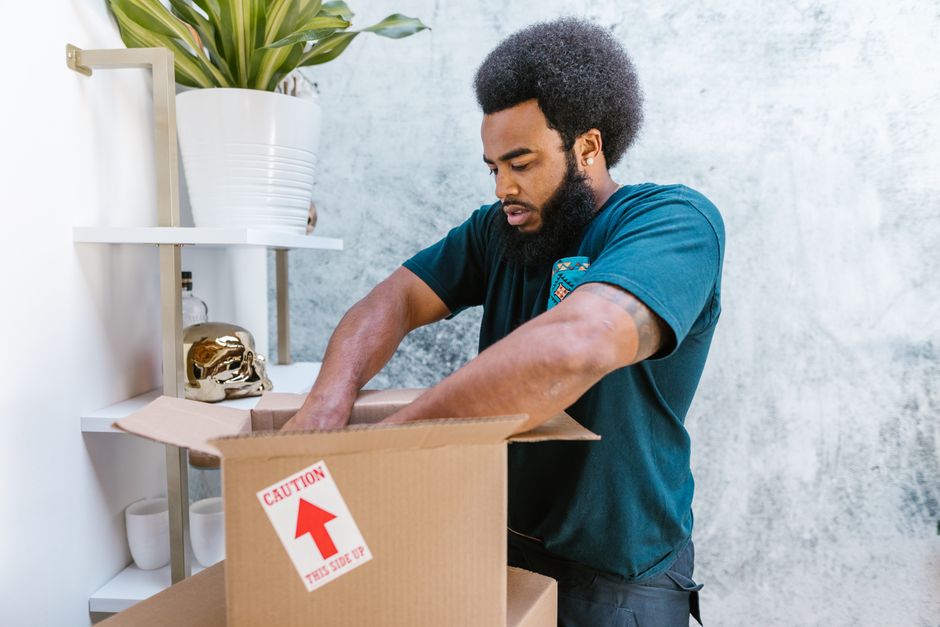
Liquids packed on their sides are more likely to leak than liquids packed upright. If possible, dedicate one small box entirely to bathroom liquids, pack them standing upright, and label the box clearly with "THIS SIDE UP" on all four sides. Load this box last into the truck so it rides at the top of the load and is unloaded first. A moderately heavy box of bottles does not belong at the bottom of a stack.
Packing the Medicine Cabinet, Vanity, and Under-Sink Storage
The medicine cabinet, vanity drawers, and under-sink cabinet each hold different categories of items with different packing requirements. Treating them as one undifferentiated pile leads to broken glass, lost small items, and confusion during unpacking.
Medicine Cabinet: Small, Fragile, and Easy to Lose
Medicine cabinet contents are typically small and varied — razors, nail clippers, small bottles, eye drops, bandages, and various personal items. Use small zip-seal bags to group similar items together before placing them in a box. Sharp items like razors should be wrapped in several layers of paper or placed in a rigid container to prevent them from cutting through packaging and injuring anyone who reaches into the box. Small glass bottles should be individually wrapped in packing paper before being grouped.
Vanity Drawers: Wrap and Label by Drawer
The most efficient approach to vanity drawers is to empty each drawer into a labeled zip-seal bag or small box, keeping the contents of each drawer together. This makes reassembly at the new home faster and reduces the chance of small items getting scattered. If drawer contents are dry and non-fragile — hair ties, cotton rounds, folded cloths — they can go directly into a labeled box without individual wrapping.
Under-Sink Storage: Watch for Cleaning Products
The cabinet under the bathroom sink often holds cleaning products, extra toilet paper, and backup toiletries. Cleaning products deserve the same leak-prevention treatment as toiletries — secure caps, zip-seal bags, and upright packing. Check labels on any cleaning products before packing: some are not safe to store in an enclosed space like a moving truck, especially in warm weather. When in doubt, use up a cleaning product before the move or replace it after arrival rather than transporting it.
How to Move Bathroom Mirrors and Fragile Fixtures
Bathroom mirrors — whether wall-mounted, freestanding, or part of a medicine cabinet — are among the most breakable items in any home move. A mirror that is not properly wrapped and loaded rarely survives a long truck ride intact. The same care that protects artwork in the living room applies directly to mirrors in the bathroom.
Remove and Wrap Mirrors Before Moving Day
If your bathroom has a separate wall mirror that is not built into the medicine cabinet, remove it from the wall at least a day before the move. Clean it, then wrap the glass surface in several layers of packing paper, followed by a layer of bubble wrap. Tape the protective wrapping securely. Stand the mirror upright in a mirror box — a flat, adjustable box sold at most moving supply stores — rather than laying it flat, where it is far more likely to crack. Label the box "FRAGILE — GLASS — KEEP UPRIGHT" on all sides.
Medicine Cabinets With Mirrors
A recessed medicine cabinet is typically not removed during a standard residential move unless specifically planned in advance. If your medicine cabinet is surface-mounted and will travel with you, empty it completely before attempting removal, and treat the mirror face with the same wrapping approach described above. Never transport a medicine cabinet with items still inside — the shifting weight will crack the mirror and damage the contents.
Towel Bars, Toilet Paper Holders, and Hardware
If you are removing bathroom hardware to take to the new home — towel bars, robe hooks, toilet paper holders — remove them before moving day, place the screws in a labeled zip-seal bag, and tape the bag to the hardware itself. Small hardware that is separated from its fasteners almost always gets lost. Label each bag clearly with what the hardware belongs to and which room in the new home it should go to.
Loading and Transporting Bathroom Boxes in the Moving Truck
Even the most carefully packed bathroom boxes can be damaged or leaked if they are loaded incorrectly into the moving truck. A few loading decisions directly affect whether your bathroom packing holds up through the entire trip.
Keep Liquid Boxes Accessible and Upright
Boxes containing bathroom liquids should be loaded last, placed on top of heavier items, and oriented upright at all times. Do not let a liquid box get buried under a stack of furniture where it cannot be checked or adjusted. If any shifting occurs during the drive, a liquid box that has tipped sideways may have already leaked — you want to be able to check and correct that quickly.
Protect Mirrors in the Truck
Mirrors and other fragile flat items should be loaded standing on their long edge — never laid flat on the floor of the truck where other items will be stacked on top of them. Position them against the truck wall with padding between the mirror box and any adjacent items. Moving blankets between the mirror and hard surfaces provide an important buffer against road vibration and sudden stops.
Label Every Box With Room and Contents
Label every bathroom box on at least two sides with the room name and a brief contents description. "Bathroom — Liquids / THIS SIDE UP," "Bathroom — Mirror / FRAGILE," and "Bathroom — Medicine Cabinet / Small Items" are all clear enough to guide unloading and help you find what you need quickly in the new home. Unlabeled boxes from the bathroom inevitably end up in the wrong room or get opened last when you are already tired.
The bathroom is small enough that most people rush it — and that is exactly why it causes disproportionate problems on moving day. A deliberate, room-specific packing process handles every category correctly, keeps your daily essentials accessible, and means your new bathroom is organized and functional by the end of your first night.
Need professional help packing every room, including the bathroom? Get a free quote from Cullen Moving and Storage LLC and let our team handle the details that make the difference between a smooth move and a frustrating one.