.png)
How to Pack and Move a Kids' Room: Toys, Furniture, and Fragile Keepsakes
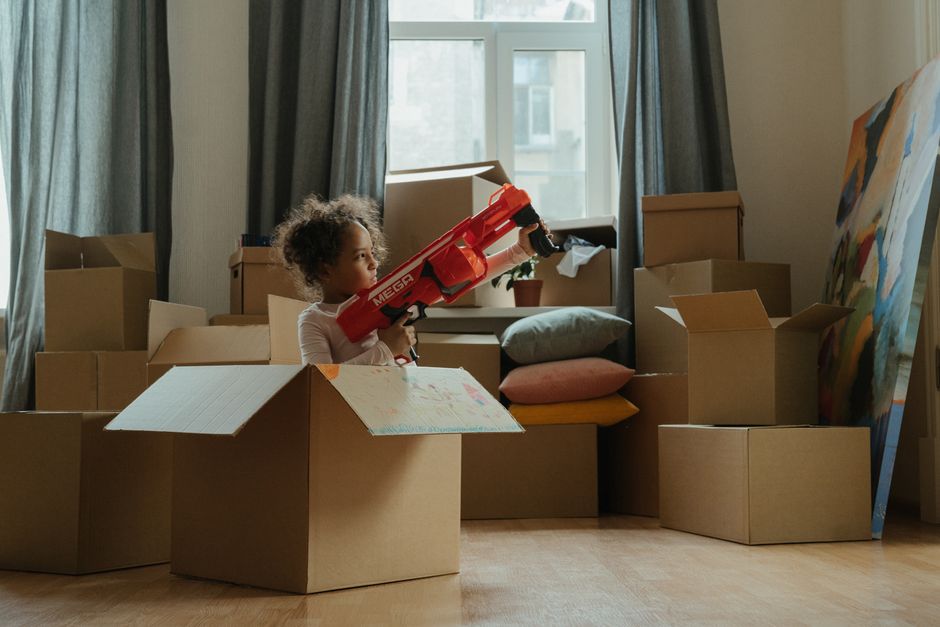
Knowing how to pack and move a kids' room correctly can save you from some of the most chaotic, time-consuming, and emotionally charged problems of any relocation. The kids' room looks manageable until you start counting what is actually in it — hundreds of small toys with loose parts, oversized stuffed animals that take up enormous box space, fragile artwork pinned to every wall, furniture that is too light to survive without padding but too bulky to carry without a plan, and irreplaceable keepsakes like baby photos, growth charts painted onto walls, and first-day-of-school drawings that cannot simply be replaced. Get it right and your child settles into a familiar, reassembled room on the first night in the new home. Get it wrong and you spend two weeks searching for the one toy your child cannot sleep without.
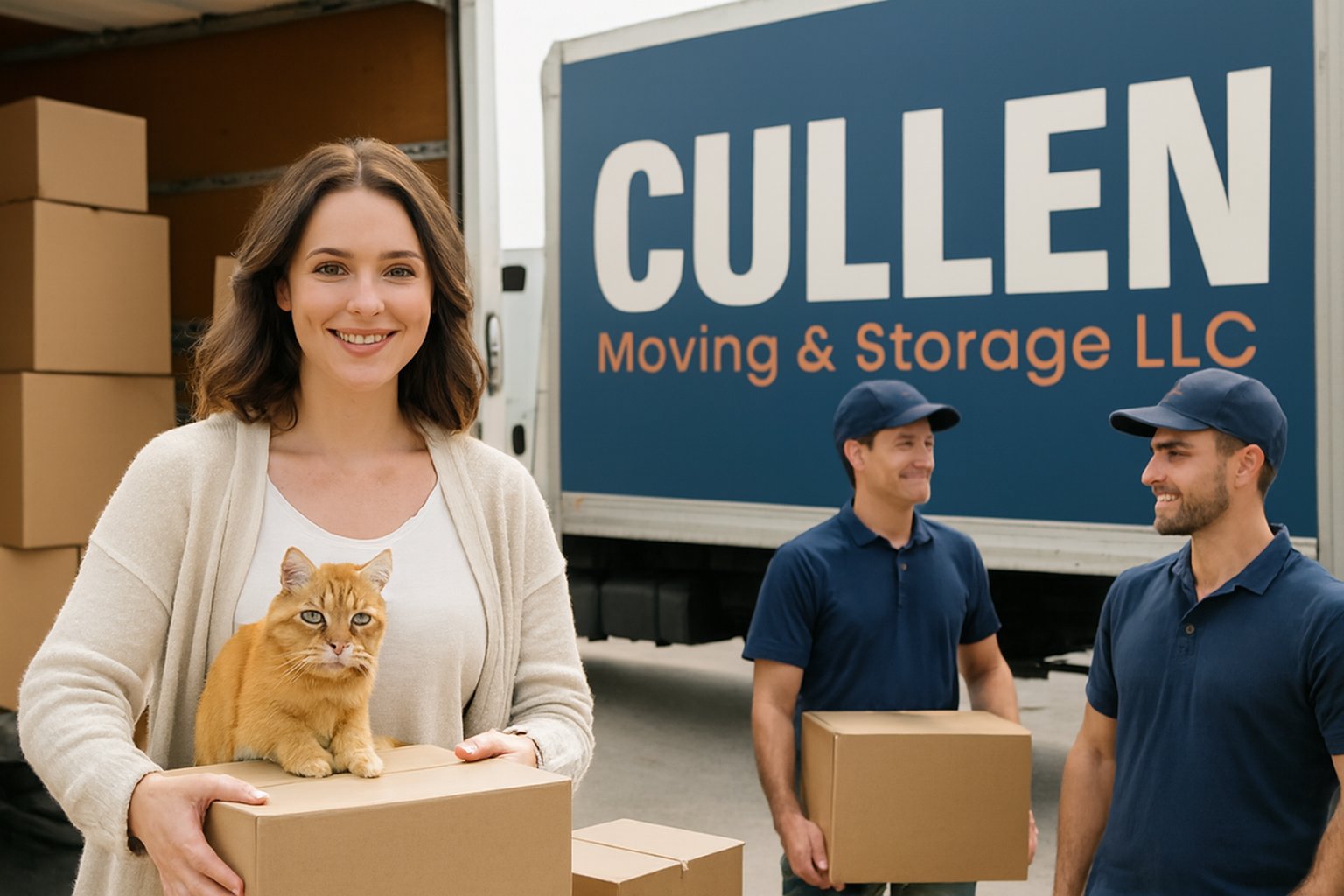
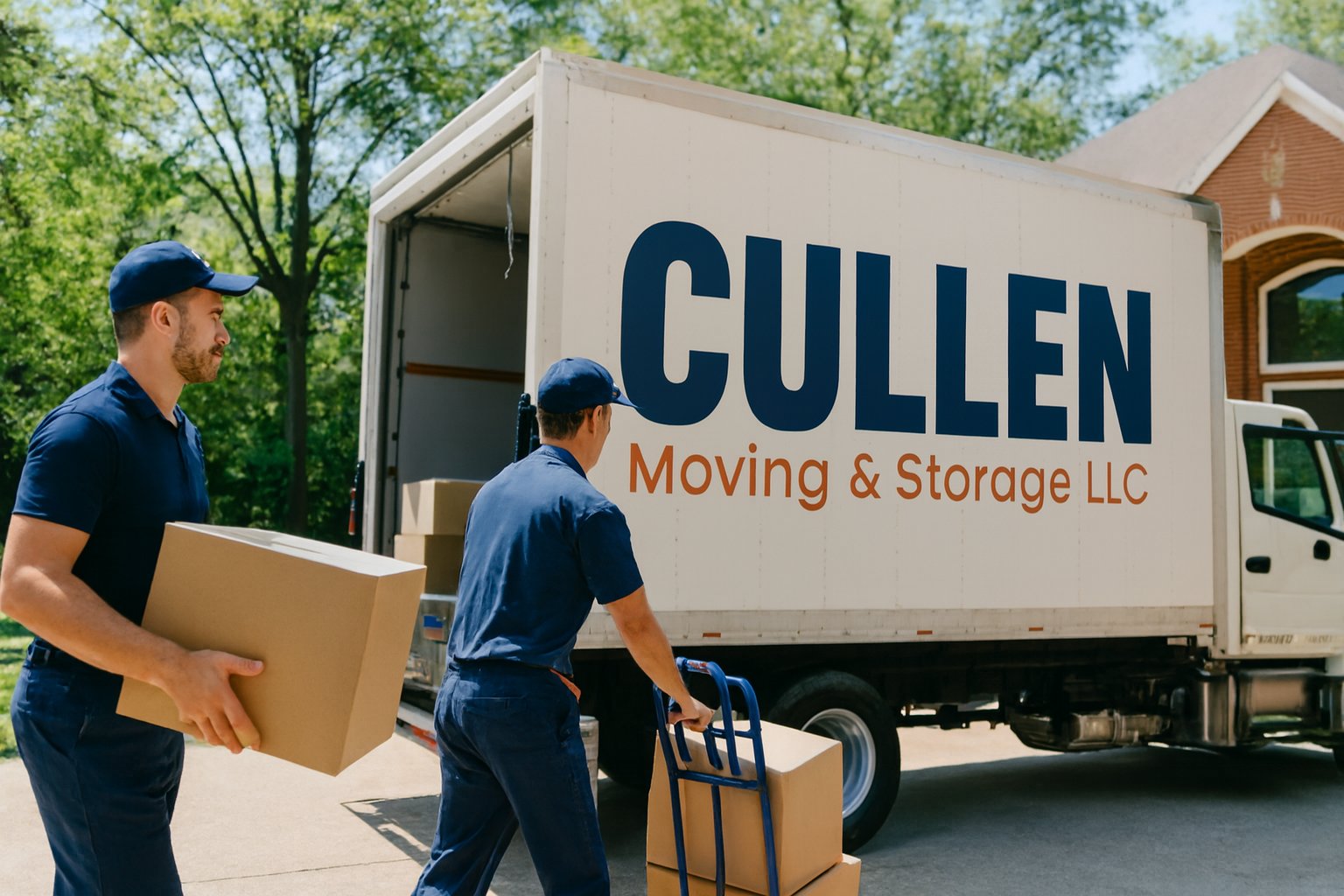
Need a professional team to handle the packing and heavy lifting? Call Cullen Moving and Storage LLC at 1 (215) 327-9733 — we move kids' rooms, fragile keepsakes, and bulky furniture every day with the care and equipment to protect everything at every step.
The kids' room move fails most often because people underestimate how long it takes and try to pack it last, in a rush, alongside everything else. Toys with small parts spill into boxes with clothes. Furniture is loaded without disassembly and scrapes through doorways. Sentimental items get wrapped haphazardly or, worse, forgotten entirely. A category-by-category approach — toys first, books and art second, furniture disassembly third, and keepsakes handled with dedicated care — takes more time upfront but eliminates every one of those problems.
Start With a Full Inventory and Declutter Before You Pack Anything
Before you pull out a single box or roll of packing paper, walk the entire kids' room with honest eyes. Kids' rooms accumulate at a faster rate than almost any other space in the house — birthday gifts, holiday toys, outgrown books, and school art projects stack up season after season. Moving is the single best opportunity to make deliberate decisions about what deserves to travel to the new home and what should be donated, recycled, or discarded.
Sort Toys Into Keep, Donate, and Discard
Pull every toy out of bins, shelves, closets, and under the bed. Sort them into three categories: toys your child actively plays with, toys that are outgrown or broken, and toys that are duplicates or have missing parts. Donating outgrown toys before the move reduces the volume significantly — and every item you eliminate is one fewer thing to pack, carry, and unpack. Involve your child in age-appropriate ways; letting them choose what to keep gives them a sense of control during an otherwise disorienting transition.
Evaluate Furniture for Condition and Disassembly
Kids' furniture — cribs, toddler beds, bunk beds, loft beds, dressers, and bookcases — is often flat-pack construction held together with cam locks and Allen bolts. This makes it well-suited for disassembly, and disassembly almost always makes transport safer and easier. Walk each piece and look for loose joints, broken hardware, or existing damage. Photograph anything damaged before the move so there is no question later about what occurred in transit versus what was pre-existing.
Collect and Protect Keepsakes Separately
Keepsakes are the highest-stakes items in a kids' room and the ones most likely to be treated as an afterthought. Baby albums, handprint casts, growth charts, framed first-day photos, and handmade artwork should be gathered into their own dedicated pile before any packing begins. These items will need their own wrapping approach and should travel in a clearly labeled box — or in your personal vehicle if they are truly irreplaceable.
How to Pack Toys, Games, and Small Items
Toys are the most time-consuming category in the kids' room, not because they are fragile, but because there are so many of them and they come in every possible shape and size. An unplanned toy pack results in heavy boxes that break, small parts that scatter, and sets that arrive incomplete.
Box Toys by Type and Size
Group toys by category: building blocks together, action figures together, dolls and accessories together, board games together. Use small to medium boxes — toy collections get heavy quickly, and an oversized box packed with wooden blocks becomes impossible to carry safely. For sets with small parts (LEGO, puzzle pieces, board game components), seal the pieces inside zip-lock bags before placing them in the box. Label each bag with the toy or game name so reassembly is straightforward.
Stuffed Animals and Large Soft Toys
Stuffed animals are bulky but lightweight, which makes them ideal for filling dead space in larger boxes alongside other soft goods — or for packing into large wardrobe boxes or clear garbage bags. Compression bags can dramatically reduce the volume of large stuffed animals for transit. Identify any especially beloved stuffed animals and keep them accessible — ideally in your child's backpack or a bag that travels in the passenger cabin rather than the moving truck.
Board Games and Puzzles
Board games are fragile in one specific way: their boxes are not built to survive stacking pressure. Reinforce each game box with a few wraps of stretch wrap or packing tape around the perimeter to keep lids and bases together. Pack games flat and stack them horizontally rather than on their edges. Label the box clearly so the games end up in the right room and not buried in a storage pile.
How to Pack Books, Art Supplies, and School Materials
Children's books are heavier than they look and accumulate in large numbers. Art supplies present their own challenge — open paint containers, loose markers, and glue sticks that have not been capped will make a mess in any box they share with other items.
Pack Books in Small, Dedicated Boxes
Use small boxes exclusively for books. A medium box filled with children's hardcovers can weigh more than thirty pounds — enough to make carrying difficult and enough to risk the box bottom giving way. Pack books spine-down or flat; avoid packing them spine-up, which can damage the binding over the distance of a move. Fill any remaining space with packing paper to prevent shifting.
Handle Art Supplies With Extra Care
Seal every art supply container before packing it. Cap markers and pens tightly, squeeze excess air from paint tubes, and place glue sticks in a zip-lock bag. Pack art supplies in their own box — separate from books, toys, and especially clothing — so that any accidental leaks stay contained. Label the box clearly as containing art supplies so it is opened carefully at the destination.
Protect Framed Artwork and Wall Decorations
Framed artwork — school photos, drawings under glass, decorative wall pieces — should be wrapped the same way you would wrap any framed picture. Use corner protectors or folded packing paper on each corner, wrap the face of the frame in packing paper or bubble wrap, and place the piece in a flat picture box if possible. Loose artwork and drawings can be stored flat in a large portfolio envelope or placed between two pieces of cardboard and secured with rubber bands.
How to Disassemble and Protect Kids' Furniture
Kids' furniture presents a particular set of challenges. Bunk beds and loft beds are tall, structurally complex, and almost always require full disassembly to fit through standard doorways. Dressers are lightweight enough to feel manageable but heavy enough to cause injury if dropped. Rocking chairs and specialty items like reading nooks built into furniture require extra padding and careful loading.
Disassemble Bunk Beds and Loft Beds Completely
Bunk beds and loft beds should be fully disassembled before any attempt to move them. Trying to carry an assembled bunk bed through a hallway damages the bed, the walls, and the door frames. Photograph the assembly from multiple angles before you begin disassembly so you have a clear reference for reassembly. Place all bolts, cam locks, and small hardware into a labeled zip-lock bag and tape it securely to one of the bed panels so it does not get separated.
Wrap and Pad All Furniture Surfaces
Even lightweight kids' furniture can scratch floors, scrape walls, and suffer surface damage without proper padding. Wrap each furniture piece in moving blankets or furniture pads before loading. For painted or decorated furniture — a dresser with decal decorations or a bookcase with a painted mural — add an extra layer of packing paper against the surface before the moving blanket goes on, so the blanket does not catch on the decoration.
Mattresses Need Mattress Bags
Crib mattresses, toddler mattresses, and twin mattresses are among the easiest items to damage in transit because they are porous and unprotected. Use a dedicated mattress bag sized for the mattress — these are inexpensive and prevent the mattress from absorbing dust, moisture, and odors in the truck. Stand mattresses on their side in the truck against a flat wall rather than laying them flat under heavy items.
Loading the Truck: Sequence and Protection for the Kids' Room
The kids' room should be loaded as part of a deliberate truck sequence rather than thrown in wherever space is available. Heavy, sturdy furniture goes in first against the cab wall. Lighter, fragile boxes — the keepsakes box, the art supplies box, the puzzle and board game box — should be loaded last or near the top of the stack, never under heavy furniture or appliances. Label every box from the kids' room clearly on the top and at least one side so movers can place it correctly at the destination without having to open and re-sort.
Keep an essentials bag for your child separate from the truck entirely. Pack it with the must-have stuffed animal, a favorite book, a change of clothes, any medications, and a familiar snack. Children who have something familiar in hand from the moment they arrive at the new home settle into the transition significantly more smoothly than children who have to wait for unpacking to find their comfort items.
When you arrive at the new home, prioritize reassembling the kids' room ahead of most other spaces. A child who can sleep in a familiar bed with familiar toys nearby on the first night is far less likely to experience the move as disruptive. Setting up the kids' room first also gives children a defined space to occupy while adults continue unpacking the rest of the house.
If you want professional help packing and transporting every room — including the kids' room — get a free quote from Cullen Moving and Storage LLC and let our experienced team handle the details that make the difference between a stressful move and a smooth one.