.png)
Moving with a Home Wine Collection: How to Protect Bottles in Transit
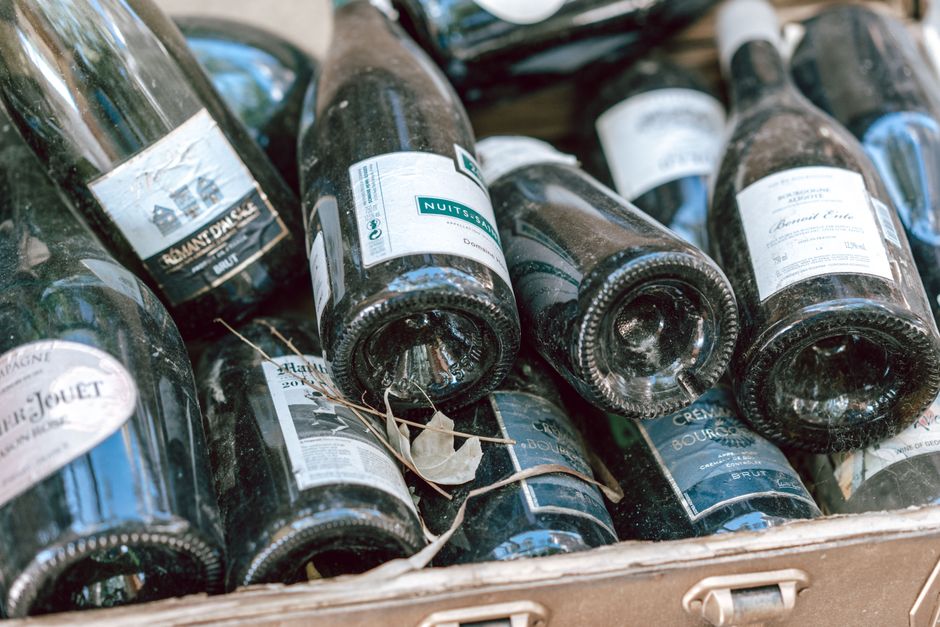
Moving a wine collection safely comes down to three variables: temperature, vibration, and orientation. Wine tolerates a short move far better than most people assume, but it does not tolerate heat, hard jolts, or standing upright for days on end. Get those three things under control and even a collection of a few hundred bottles can make the trip without a single cork failure.
This is not the same question as how to pack wine glasses for a move. A glassware guide deals with fragile empty vessels. A wine collection is a living, temperature-sensitive product with actual monetary and sentimental value riding on the bottle staying intact and drinkable. The packing materials overlap, but the planning does not.
How Do You Move Wine Bottles Without Ruining Them?
You move wine bottles by keeping them cool, keeping them still, and keeping the corks damp. Most damage comes from heat exposure in a parked truck or trunk, not from the road itself. Control the environment first, then worry about padding.
Wine is more forgiving of a bumpy ride than of a hot afternoon. A closed vehicle sitting in the sun can climb past 100 degrees Fahrenheit within an hour, and that kind of heat can cook a bottle's flavor or push a cork partway out. If your move happens during a warm stretch, plan for the wine to be one of the last things loaded and one of the first things unloaded, and avoid leaving it in a parked vehicle for extended stops.
Keep Bottles on Their Side or at a Slight Downward Angle
Bottles sealed with a natural cork should travel lying on their side, not standing upright. An upright bottle lets the cork dry out during a long trip, which can let air in and start oxidizing the wine. Screw-cap bottles and synthetic-stopper bottles are less picky about orientation, but sideways storage still protects against shifting and reduces the chance of a cap working loose from vibration.
What Boxes and Materials Actually Protect Wine in Transit?
Cell-divided wine boxes, the kind with individual cardboard compartments for each bottle, are the single best packing material for this job. They keep bottles from clinking against each other and distribute weight evenly, which matters more for wine than for almost anything else in a household move.
- Cell dividers or bottle sleeves: Separate every bottle from its neighbors so glass never touches glass.
- Bubble sleeves or wrap: Add a layer around each bottle before it goes into its cell, especially for older bottles with fragile labels or aged corks.
- Sturdy double-walled boxes: Wine is heavy. A standard single-wall box can buckle under a full case, especially if boxes get stacked.
- Packing paper for gaps: Fill any remaining space so bottles cannot shift even a fraction of an inch during loading.
Skip the temptation to reuse loose liquor store boxes without dividers. They work for a short car ride but are not built for stacking or a full day on a truck.
Should You Worry About Temperature During the Move?
Yes, temperature swings are the biggest real risk to a wine collection during relocation, more than breakage. Wine stored between roughly 45 and 65 degrees Fahrenheit holds up fine for the duration of most moves, but prolonged heat above 80 degrees can permanently damage flavor and aging potential.
If you are moving in summer or across a long distance, consider transporting valuable or older bottles yourself in a climate-controlled vehicle rather than sending them on a truck that may sit loaded overnight. For a collection large enough that this is not practical, ask about how the truck handles climate and whether wine can be loaded last and unloaded first to minimize exposure time. This kind of planning matters most on a long distance move, where bottles may spend a full day or more in transit rather than a few hours.
Special Handling for Rare or Investment-Grade Bottles
Bottles with significant resale or collector value deserve individual bubble wrap, a rigid outer box, and transport in a personal vehicle when at all possible. Some collectors also photograph labels and record fill levels before a move, which helps if a claim is ever needed for a bottle that arrives damaged or under-filled.
How Should Wine Be Loaded and Unloaded on Moving Day?
Wine boxes should go on the truck last and come off first, and they should never sit at the bottom of a stack of heavier furniture. Loading wine near the door of the truck, on a stable flat surface, protects it from both crushing weight and long exposure to a hot cargo area during multiple stops.
Label every wine box clearly on more than one side, and let your crew know which boxes contain bottles. A crew that knows what is inside a box treats it differently than one moving an unmarked carton, and clear labeling also means the boxes get placed upright and accessible rather than buried under other items. For a shorter relocation across town, walking your local moving services crew through your wine boxes before loading begins takes two minutes and prevents most damage.
What About Wine Fridges and Cellar Units?
A built-in or freestanding wine fridge should be unplugged and allowed to reach room temperature before the move, and its bottles should be removed and packed separately rather than left inside. Compressor-based units need to sit upright for several hours after transport before being plugged back in, since the coolant needs time to settle.
If your collection lives in a cellar or a dedicated storage room rather than a fridge, treat the packing process the same way you would approach packing a storage unit full of specialty items: inventory what you have, group by value and fragility, and plan the loading order before boxes start going onto the truck.
A wine collection is one of the more forgiving specialty items to relocate, as long as you respect its two real enemies: heat and long upright storage. Handle those two variables and the padding and boxing become straightforward. If you would rather have a crew experienced with specialty items handle the details, you can get a moving quote and talk through your collection before moving day.