.png)
How to Winterize Your Home Before a Winter Move (Without Freezing Pipes or Wasting a Trip)
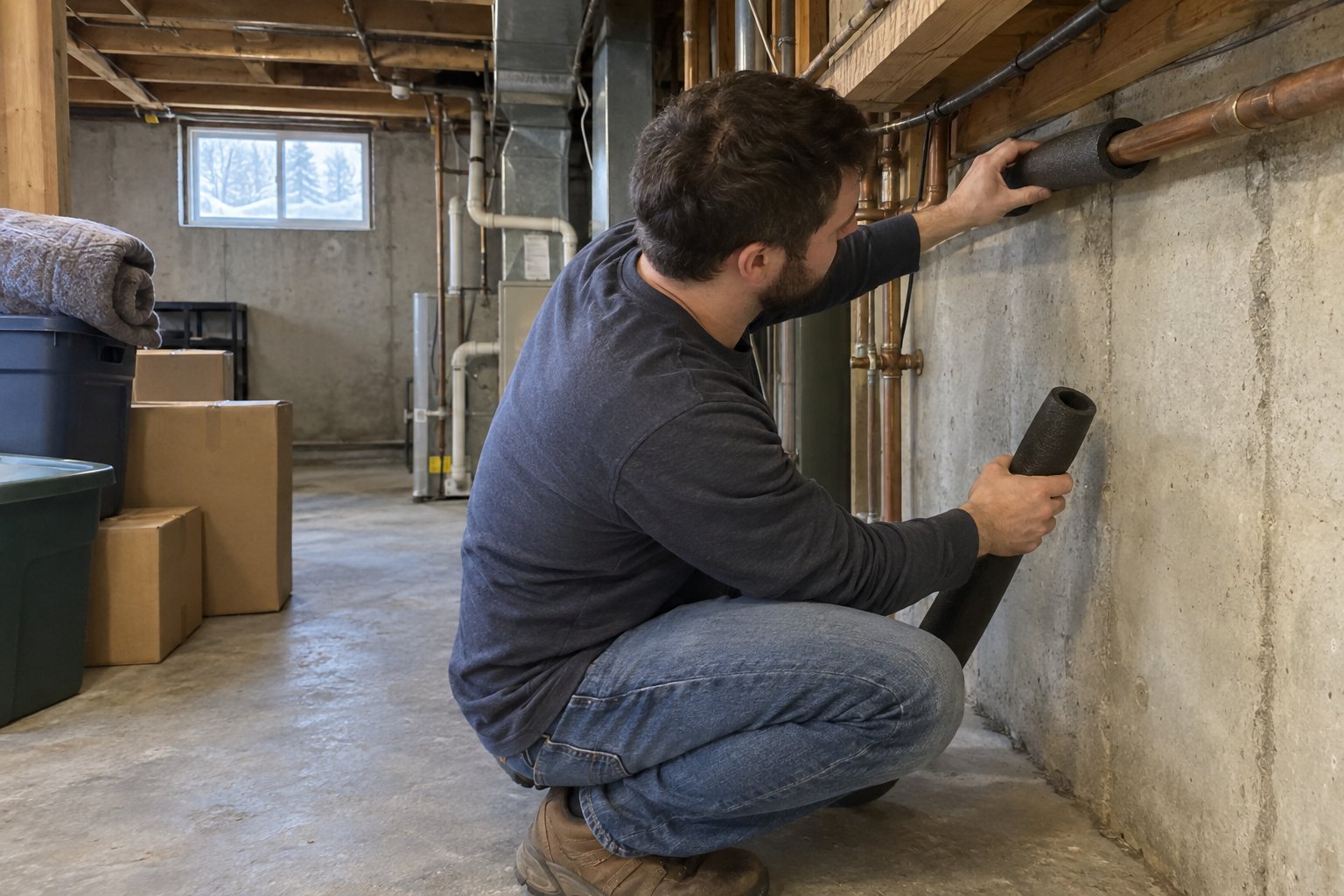
Winterizing a home before a winter move means protecting the pipes, HVAC system, and empty rooms from freeze damage after you and the moving truck are gone. Skip it and you risk coming back (or having the new owner or your landlord discover) burst pipes, a dead furnace, or a mold problem from trapped humidity. It takes an hour or two and almost no money, and it is one of the most commonly overlooked steps in a cold-weather relocation.
Most winter moving advice focuses on driveway ice and packing coats first. That is useful, but it skips the bigger risk: a house sitting empty, unheated, or half-heated for days or weeks between your move-out and the next occupant's move-in. That gap is when the real damage happens, and it is entirely preventable if you know what to check before you hand back the keys or lock up a vacant property.
Do You Need to Winterize a House You Are Moving Out Of?
Yes, if the home will sit vacant, be on the market, or sit at a lower temperature for any stretch of freezing weather. A home that stays occupied and heated the whole time does not need full winterization, but one going empty even for a few days in sub-freezing temperatures needs at least the basics: water shut off or heat maintained, and drains protected.
This matters most for sellers whose closing date lands weeks after moving day, landlords between tenants, and anyone relocating for work who leaves a second property behind temporarily. If someone else is moving in the same day you move out, most of this is optional. If there is any gap, treat it as a real risk, not a formality.
Protecting Pipes From Freezing Before You Leave
The single biggest risk in an unoccupied winter home is a frozen, then burst, water pipe. Water expands as it freezes and can split copper or PVC pipe in a matter of hours once the home drops below freezing, and a burst pipe you do not discover for days can ruin flooring, drywall, and ceilings below it.
If the home will be empty and unheated:
- Shut off the main water supply and drain the lines by opening every faucet, including outdoor spigots, until they run dry.
- Flush toilets to clear the tank, then add a small amount of RV-safe antifreeze to toilet bowls and drain traps (sinks, tubs, floor drains) so the water seal does not evaporate and let sewer gas in.
- Disconnect and drain garden hoses, and shut off any separate valve for outdoor faucets if your home has one.
- Drain the water heater if it will sit unused for an extended period, or leave it on a low pilot setting if that is not practical.
If you plan to keep the heat running instead of draining the system, set the thermostat no lower than 55 degrees. That is the generally accepted floor for keeping interior wall cavities above freezing during a cold snap, even though it feels wasteful to heat an empty house.
What Temperature Should You Leave the Thermostat At During a Winter Move?
Leave an occupied-but-vacant home at a minimum of 55 degrees Fahrenheit if you are keeping utilities on rather than shutting off the water. Lower than that and interior pipes running through exterior walls or unheated crawl spaces can freeze even though the main living space feels tolerably cool.
If the furnace itself might fail while nobody is checking on the house, a battery-powered temperature sensor that alerts your phone is worth the small cost. Movers can only control what happens on move day; what happens to the structure two weeks later is on the owner, the new buyer, or the property manager, so this step protects you from a dispute after closing.
Sealing Up the House Before It Sits Empty
An empty house left unsealed collects moisture, pests, and drafts faster than an occupied one, because there is no daily activity keeping air moving or catching small problems. Before you leave for the last time, walk the house specifically for winter vacancy risks, not just for forgotten items.
Check Before You Lock Up
- Close and lock all storm windows and storm doors, not just the primary ones.
- Check that dryer vents, bathroom fans, and kitchen exhausts are sealed against backdraft, since cold air pushing through an unused vent can chill nearby pipes.
- Clear gutters of leaves so winter melt has somewhere to go instead of backing up under the roofline.
- Remove perishable food and unplug the refrigerator with the door propped open to prevent mildew.
- Set exterior lighting on a timer if the home will be vacant and shown to buyers or new tenants after dark.
If the move involves a home sale, your realtor or the buyer's inspector may specifically ask whether the property has been winterized, since some mortgage and insurance conditions require documented proof for vacant homes in cold climates. Keep a simple written record of what you did and when.
Coordinating the Timing With Your Move
The best time to winterize is the same day as your final walkthrough, after the truck is loaded but before you hand over keys. Doing it earlier means living without water or heat while you are still packing; doing it later means someone has to make a special trip back.
If you are working with a moving company for a local relocation, ask whether the crew can help move any heavy items away from exterior walls or windows as a last step, since furniture pressed against a cold wall can trap condensation. A crew handling local moving services in the area is also a useful resource for confirming realistic load-out timing so you are not rushing the winterizing steps at the very end of the day.
What Movers Can and Cannot Help With
Movers handle the loading, transport, and placement of your belongings. They are not responsible for shutting off your water main or draining your HVAC system, and most crews will not touch plumbing or utility shutoffs even if asked, since it falls outside their insurance coverage. Plan for a separate hour with a plumber, a handyman, or your own checklist to handle winterization itself.
Where movers do help indirectly is scheduling. Confirming your move date and crew arrival time early gives you a clear window to plan the shutoff and walkthrough around it, rather than discovering at 4pm that you still need to drain three bathrooms before dark. If you are relocating a longer distance and leaving the old property vacant for weeks before it sells, that timing question matters even more, and it is worth reviewing general long distance moving planning alongside your winterization checklist so both pieces land on the same schedule.
Special Considerations for a Vacant Home That Will Sit Empty for Weeks
A home that will be empty through an entire winter, not just a few days, needs more than a one-time pass. Consider asking a neighbor, property manager, or friend to check on it every week or two, since a failed furnace or a slow leak found on day one is a repair, while the same problem found after a month can be a full renovation.
Insurance is worth a phone call too. Many homeowner policies have vacancy clauses that reduce or void coverage after a set number of consecutive empty days (commonly 30 to 60), so if your closing date or vacancy period is uncertain, ask your insurer directly rather than assuming standard coverage still applies.